The Science Behind Cryogenic Insulation Techniques
Unlocking Thermal Protection for Ultra-Low Temperatures
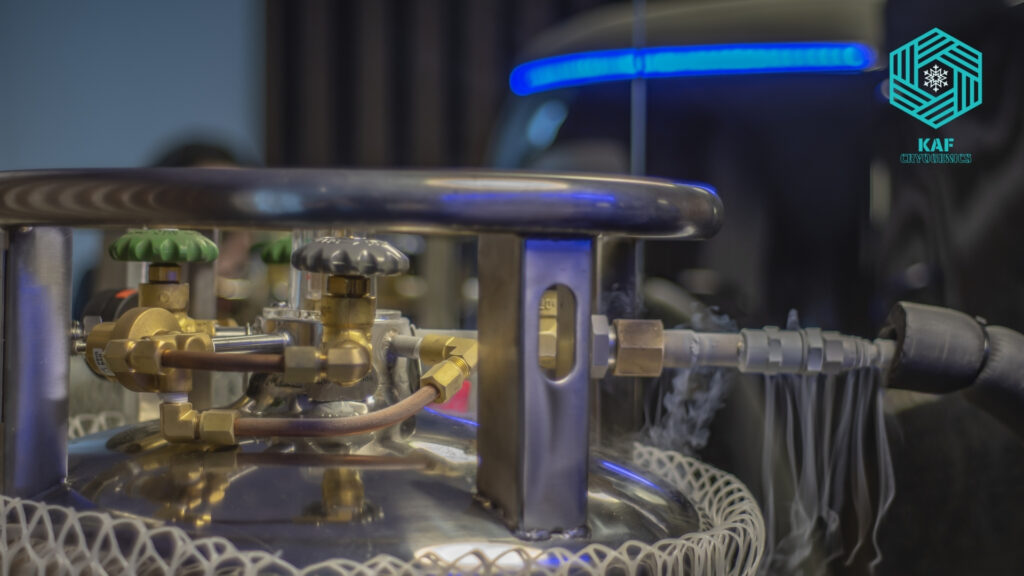
Cryogenic technology plays a vital role in industries that rely on the storage, transportation, and application of materials at extremely low temperatures. At the core of this technology lies one essential component: cryogenic insulation. Without effective insulation systems, even the most advanced cryogenic equipment would suffer significant energy losses, safety hazards, and performance inefficiencies.
This article explores the science behind cryogenic insulation techniques, the materials used, and the innovative methods designed to maintain temperature stability under extreme conditions. We’ll also delve into the importance of proper insulation for various industrial sectors and how companies like KAF Cryogenics are pushing the boundaries of insulation engineering.
Understanding Cryogenic Conditions
What is Cryogenics?
- Refers to temperatures below -150°C (-238°F).
- Common cryogens include liquid nitrogen (LN2), liquid oxygen (LOX), and liquid hydrogen (LH2).
- Used in aerospace, healthcare, electronics, food processing, and energy industries.
Why Insulation Matters
- Prevents heat transfer from external environments.
- Reduces boil-off losses of cryogenic fluids.
- Ensures operational safety and maintains system integrity.
Core Insulation Principles at Low Temperatures
Modes of Heat Transfer
To effectively insulate against cryogenic temperatures, all three types of heat transfer must be minimized:
- Conduction: Heat flow through materials; minimized with low-conductivity insulation.
- Convection: Movement of warm air or fluid; mitigated through vacuum-sealing.
- Radiation: Transfer of energy through electromagnetic waves; blocked with reflective barriers.
Thermal Conductivity
- Cryogenic insulation materials must have extremely low thermal conductivity.
- Thermal performance is typically measured in W/m·K (Watts per meter-Kelvin).
Common Cryogenic Insulation Materials
1. Multilayer Insulation (MLI)
- Composed of multiple layers of thin reflective foils and spacers.
- Applications: Satellite cryogenic tanks, superconducting magnets.
- Benefits:
- Extremely low emissivity
- Lightweight and compact
- Highly effective in vacuum environments
2. Vacuum Jacketed Insulation
- Combines a vacuum space with MLI for superior performance.
- Applications: Cryogenic piping systems and liquid transfer lines.
- Features:
- Virtually eliminates convection
- Long-term durability
3. Perlite and Aerogel
- Perlite: Expanded volcanic glass used in bulk-fill insulation.
- Aerogel: A silica-based material with one of the lowest thermal conductivities.
- Advantages:
- Chemically inert
- Lightweight
- Great for retrofitting existing systems
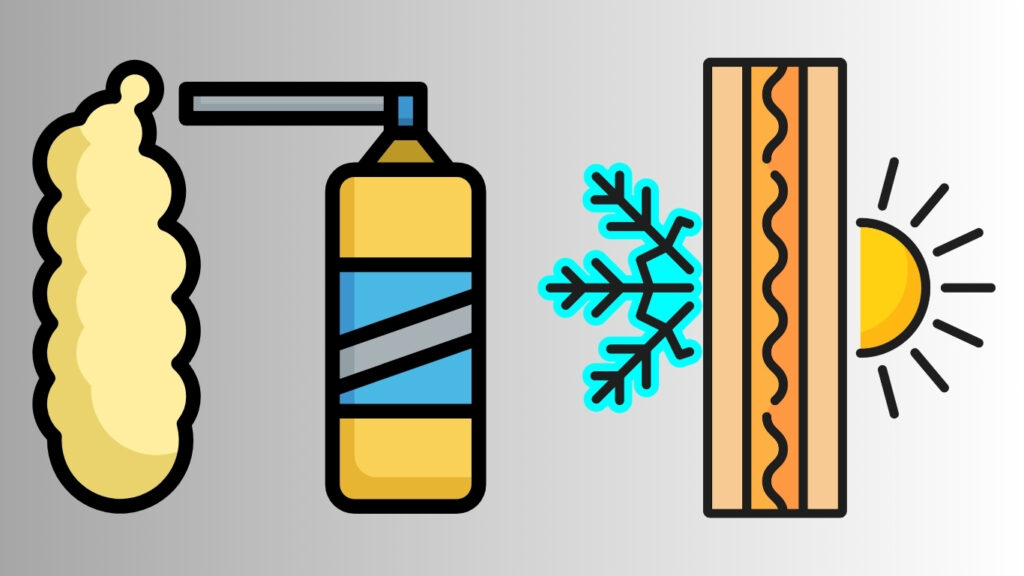
4. Foam Insulation (Polyurethane, Polystyrene)
- Used for above-ground cryogenic tanks.
- Key benefits:
- Easy to apply via spray or rigid boards
- Cost-effective

Engineering Methods for Cryogenic Insulation
Layered Construction
- Engineers apply multiple insulation layers, each serving a distinct function (e.g., structural support, vapor barrier, thermal resistance).
- Reduces the overall thermal gradient across surfaces.
Vacuum Sealing
- Critical for eliminating convective heat transfer.
- Requires double-walled containment systems.
Cryogenic Insulation Testing
- Thermal performance tests: Guarded hot plate method, boil-off tests.
- Mechanical integrity tests: Ensure insulation remains intact during expansion/contraction.
Industry Applications and Best Practices
Aerospace and Space Exploration
- Satellite systems and spacecraft require MLI and vacuum-jacketed lines to protect sensitive instruments.
- Use cases: Liquid-fueled propulsion, onboard cooling systems.
Healthcare and Life Sciences
- LN2 storage tanks and cryogenic freezers use foam and perlite insulation.
- Protects biological samples, vaccines, and plasma.
Energy and Hydrogen Economy
- LH2 transport tanks demand ultra-efficient insulation to minimize loss.
- Must withstand harsh transit conditions while maintaining temperature stability.
Food and Beverage Industry
- Used in liquid nitrogen freezing tunnels.
- Insulation ensures safety and efficiency in sub-zero production lines.
Best Practices
- Use high-purity insulation materials.
- Regular inspection and replacement cycles.
- Incorporate smart monitoring systems for temperature consistency.
Innovations in Cryogenic Insulation
Smart Insulation Materials
- Emerging materials with embedded sensors for temperature and pressure monitoring.
- Self-healing properties that repair microcracks caused by thermal cycling.
Composite Systems
- Hybrid insulation systems that combine MLI, aerogel, and foam to achieve superior thermal resistance.
- Modular designs for easy installation and retrofitting.
Sustainable Manufacturing
- Focus on recyclable insulation materials.
- Reduced production footprints through additive manufacturing.
KAF Cryogenics: Engineering Cold with Confidence
At KAF Cryogenics, we specialize in high-performance cryogenic insulation systems tailored to your industry. Our solutions include:
- Vacuum-jacketed piping and transfer systems
- MLI integration for aerospace-grade tanks
- Custom-engineered insulation for medical, food, and energy sectors
Our team ensures compliance with international safety and performance standards, offering full-service support from design to field deployment.
🔧 Have a custom insulation challenge? Contact us to explore solutions that meet your operational needs.
Insulating the Future
Cryogenic insulation isn’t just about keeping things cold—it’s about ensuring performance, reliability, and safety in the harshest environments. As industries continue to innovate and rely more on cryogenics, the need for robust, efficient, and sustainable insulation systems becomes more critical than ever.
Whether you’re launching satellites, storing pharmaceuticals, or preserving food, the science behind cryogenic insulation ensures your mission stays cool under pressure.
Stay ahead of the curve with KAF Cryogenics—where innovation meets temperature control.