

Blog
Technical guides on cryogenic and liquefied gas equipment: selection, certification, operation and buying used.
Practical articles written for the people who specify, buy and operate cryogenic and liquefied gas equipment. Each guide covers one question in depth, from tank sizing and design codes to vacuum condition, ADR inspection and used equipment checks.
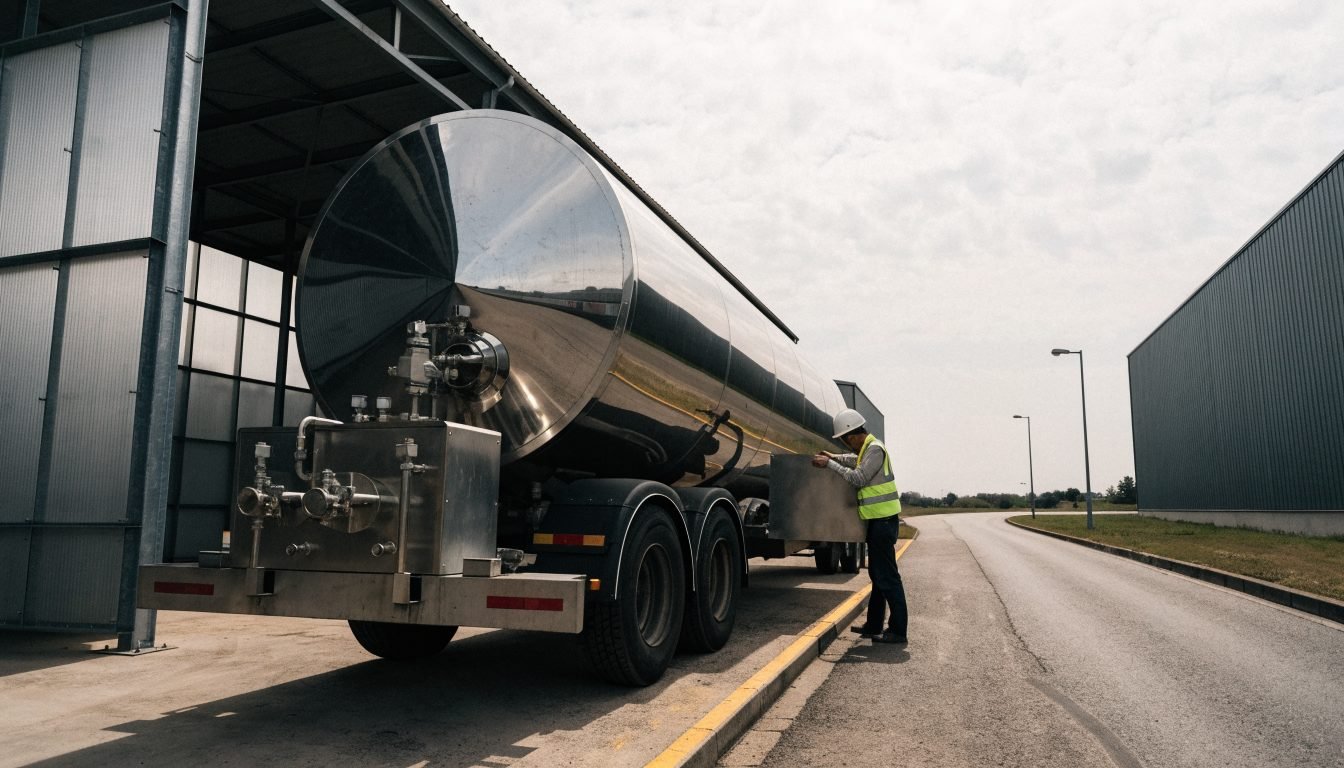
ADR Inspection for Cryogenic Trailers: Intervals and Requirements
ADR inspection for cryogenic trailers: what it checks, the periodic and intermediate intervals, and why a valid ADR date matters when you buy used.
7 min read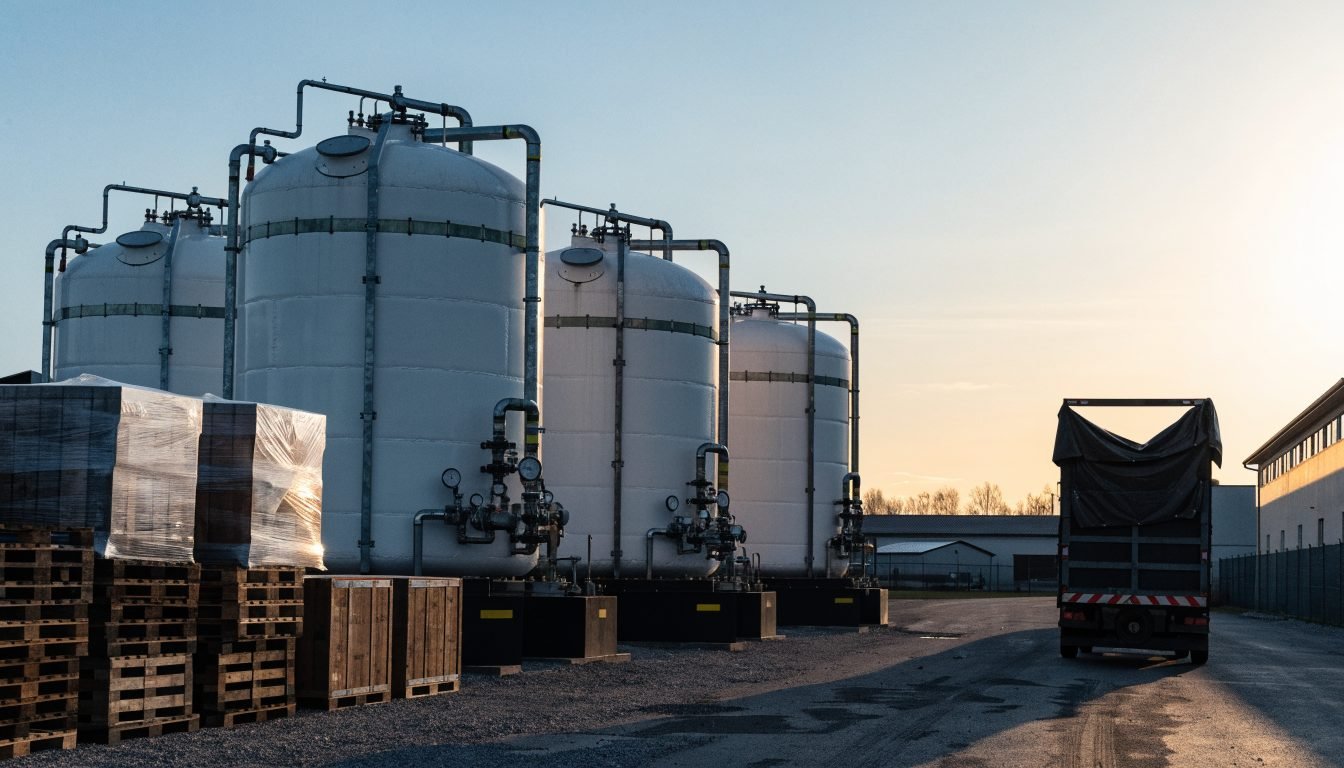
Choosing ASME or PED by Export Market: A Practical Guide
Choose ASME or PED by export market. Practical guidance for Europe, the Middle East, North Africa, and Central Asia so you order the right certification.
6 min read
ASME vs PED: Which Cryogenic Tank Certification Do You Need?
ASME vs PED for cryogenic tanks: the right code depends on your destination market, not quality. Compare the two codes and choose correctly.
5 min read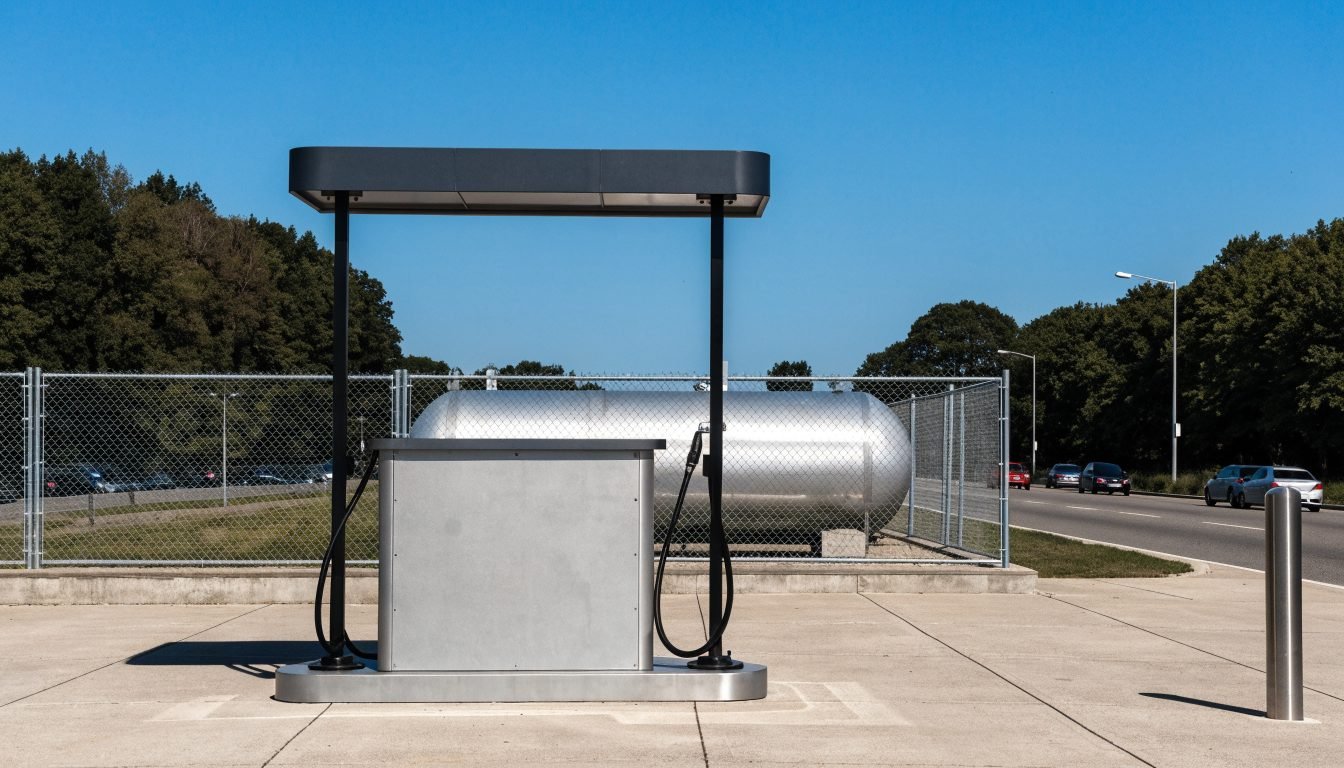
Autogas Station Equipment: What You Need
Planning an LPG autogas station? See the full equipment list: storage tank, dispenser, pump, pipework, safety and metering, plus how to size it.
6 min read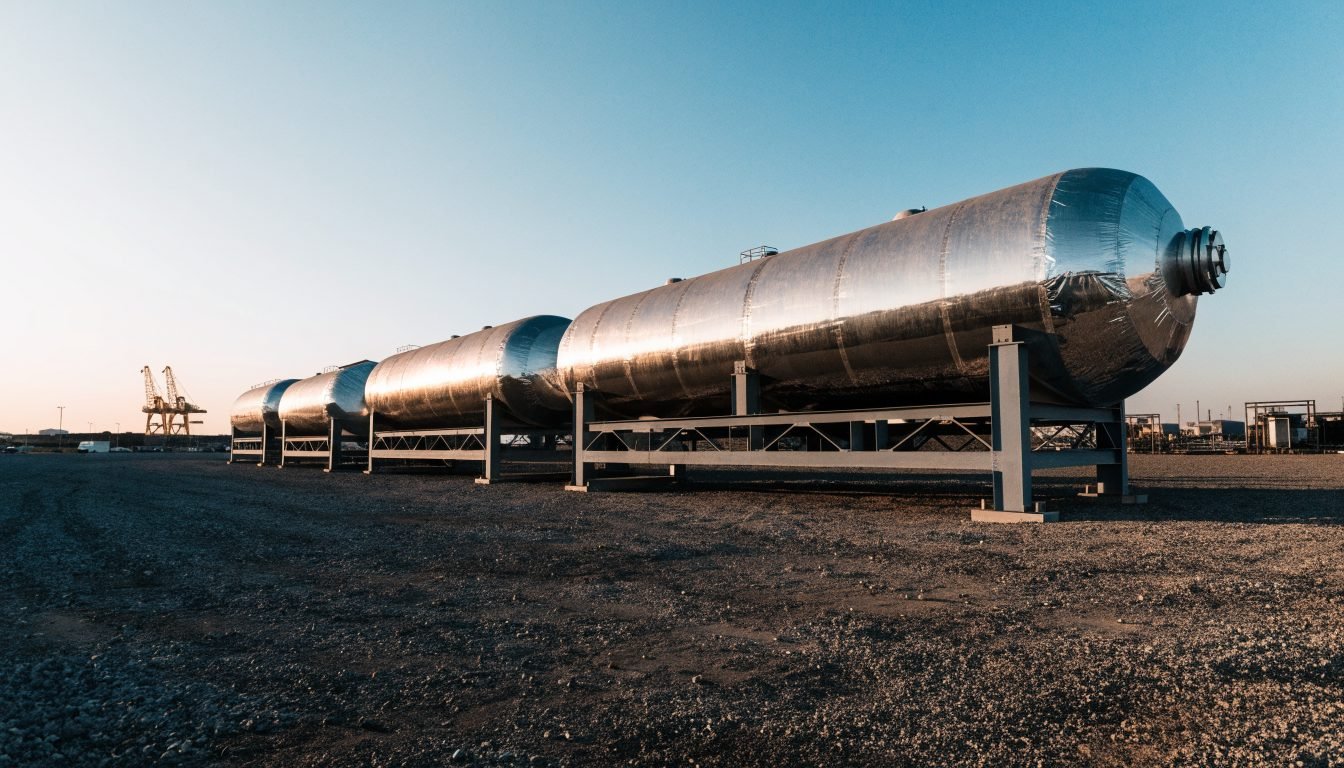
Buying LNG Storage Tanks: New, Used and Lead Times
Buying LNG storage tanks: how to size capacity and pressure, compare new against certified used, and read lead times honestly.
6 min read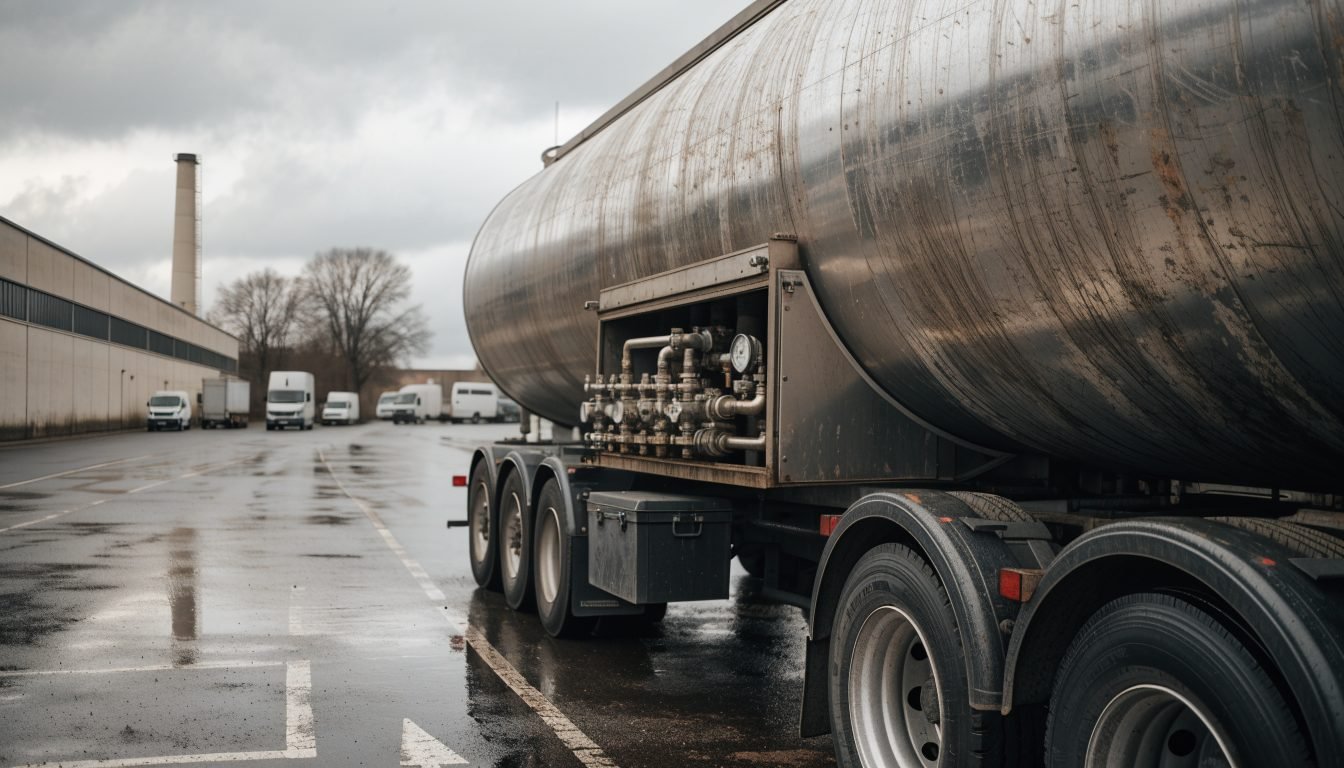
Buying a Used LNG Semi-Trailer: A Buyer's Checklist
A used LNG semi-trailer checklist: ADR validity, vacuum condition, inner vessel NDT, pump and vaporizer, chassis, and the documents to demand.
5 min read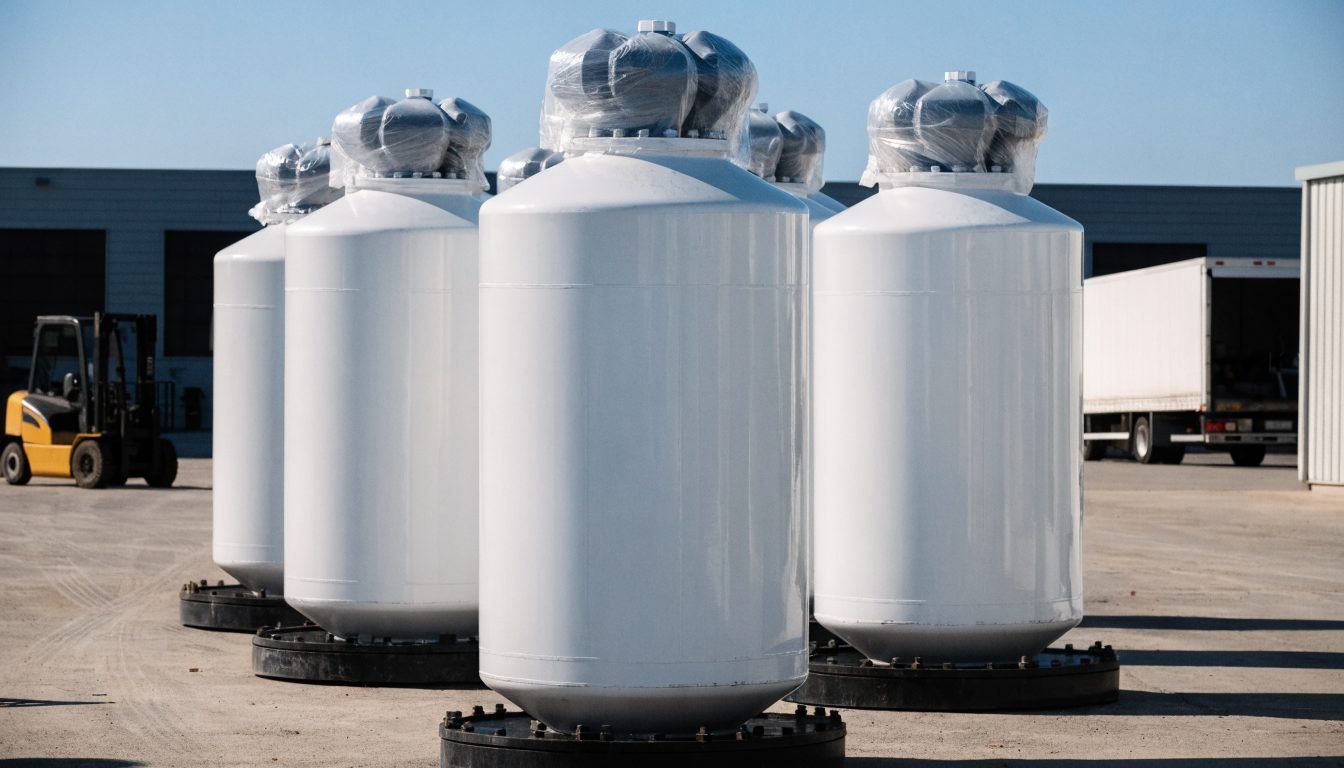
Lead Times in Cryogenic Equipment: Why Stock Delivery Matters
Why cryogenic tank lead time matters: new fabrication runs months while certified used ships from stock in weeks. See when speed changes a project.
5 min read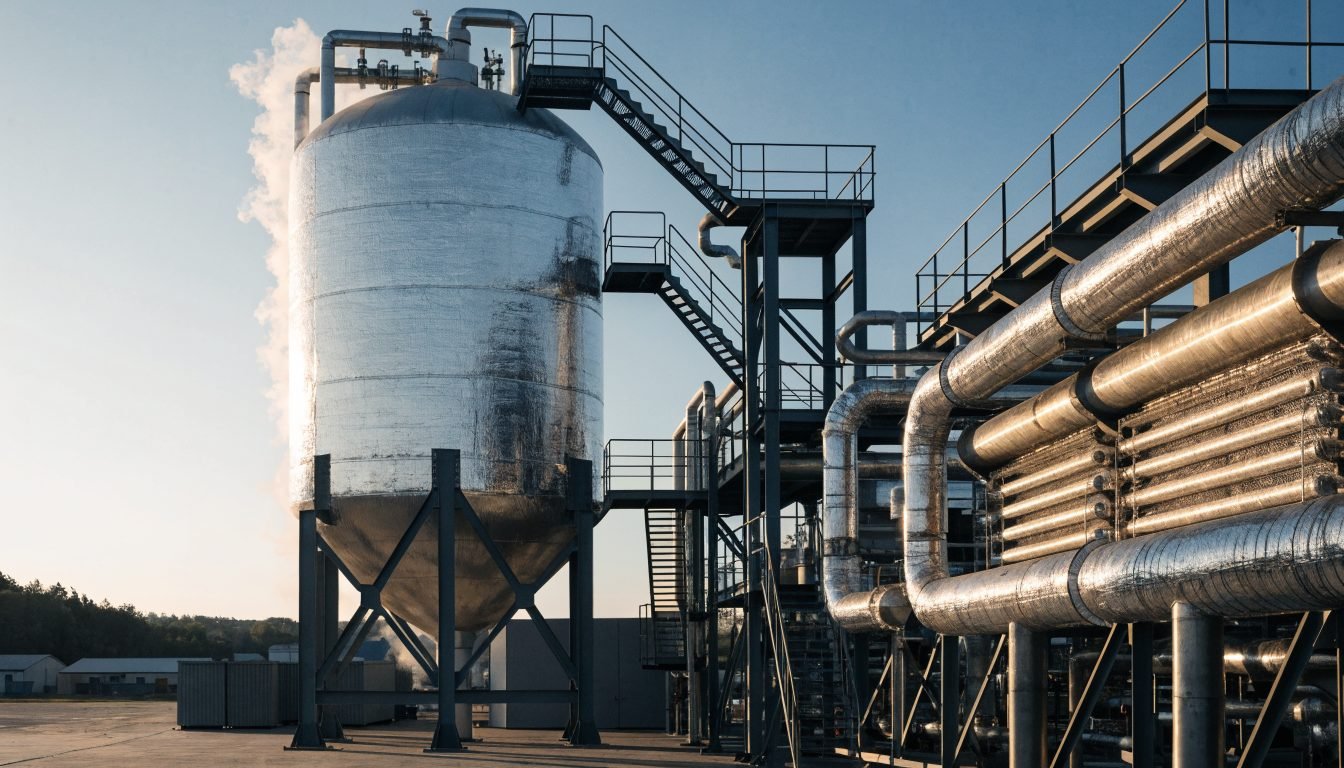
Cryogenic Liquid to Gas Conversion: Volumes, Density and Ratios
Cryogenic liquid to gas conversion ratios for nitrogen, oxygen, argon and LNG, with the arithmetic to size storage against your own gas demand.
11 min read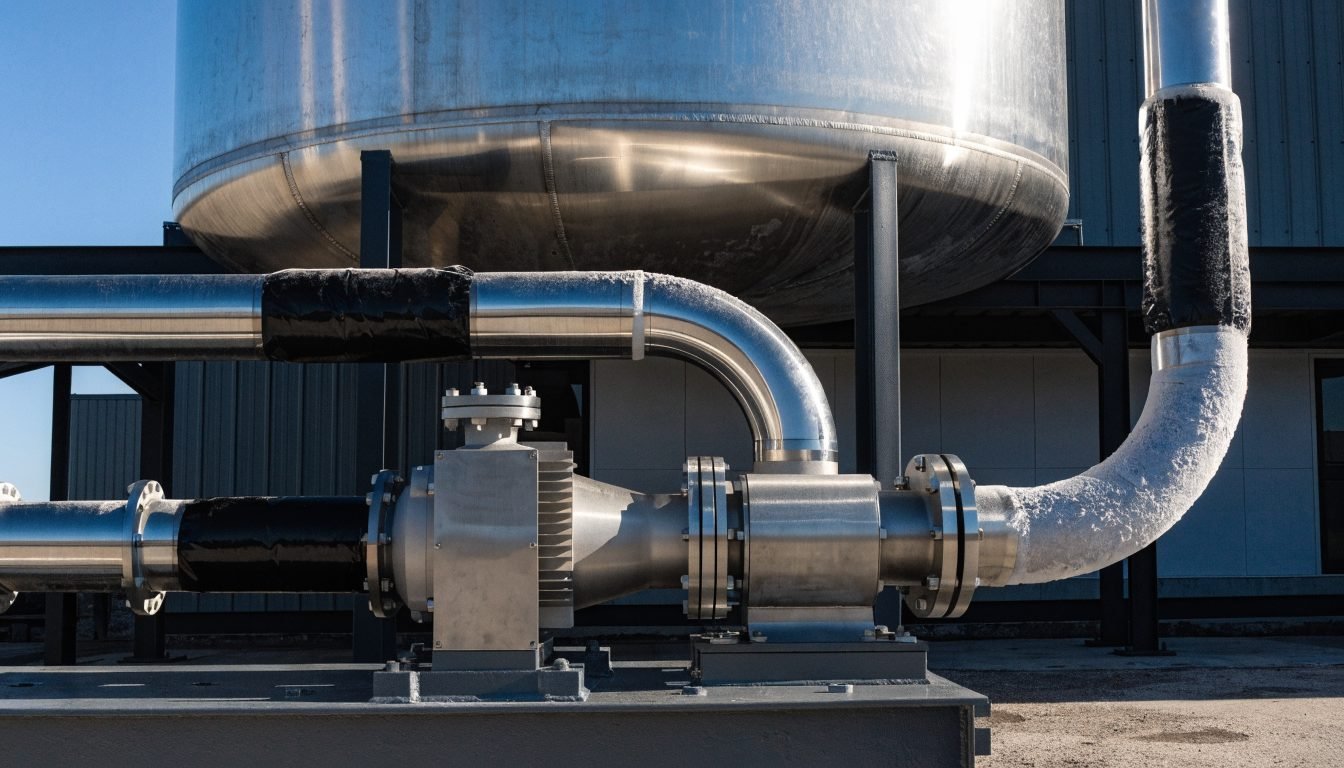
Cryogenic Pump Selection: Centrifugal vs Reciprocating
Cryogenic pump selection explained: when you need a pump, centrifugal versus reciprocating duties, NPSH and cavitation, cooldown, and filling station use.
13 min read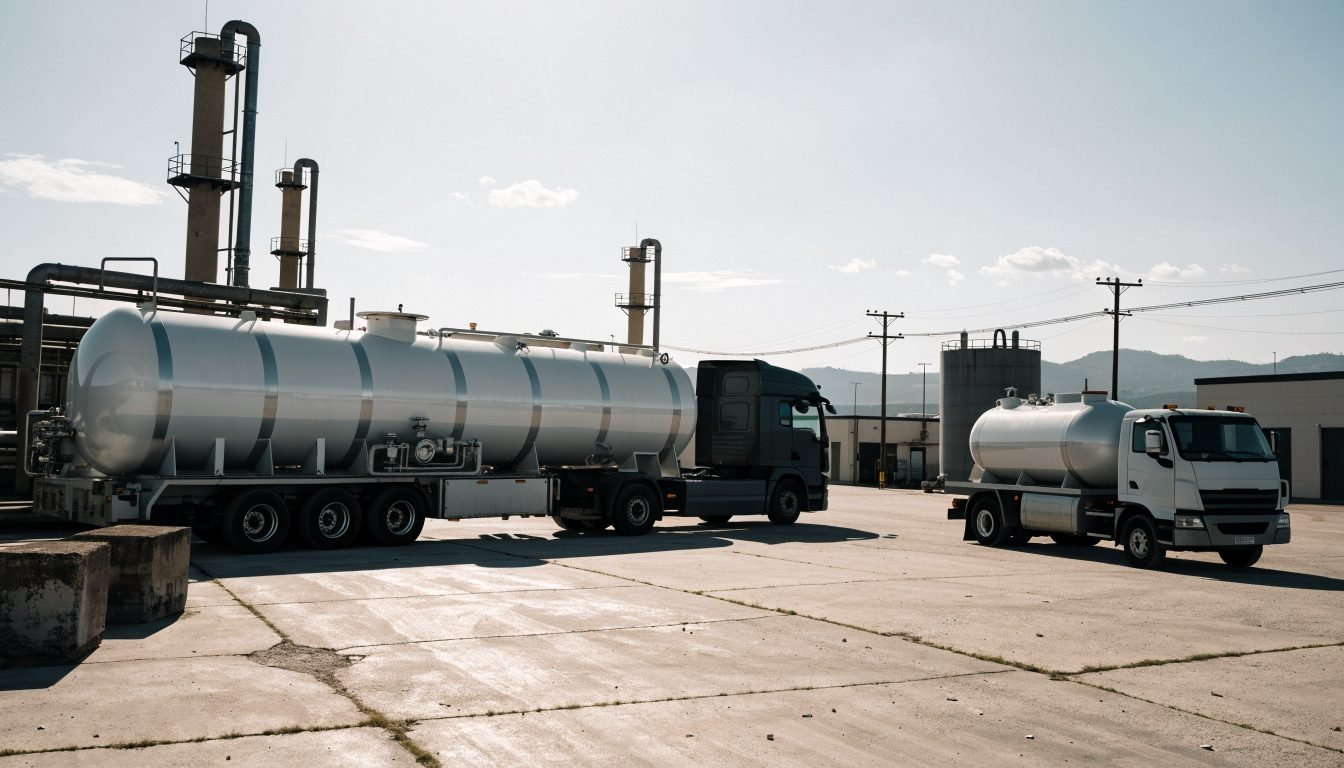
Cryogenic Road Tankers: Semi-Trailer vs Bobtail
Semi-trailer or bobtail for your cryogenic road tanker? Compare payload, range, delivery model, and ADR, then choose by route.
6 min read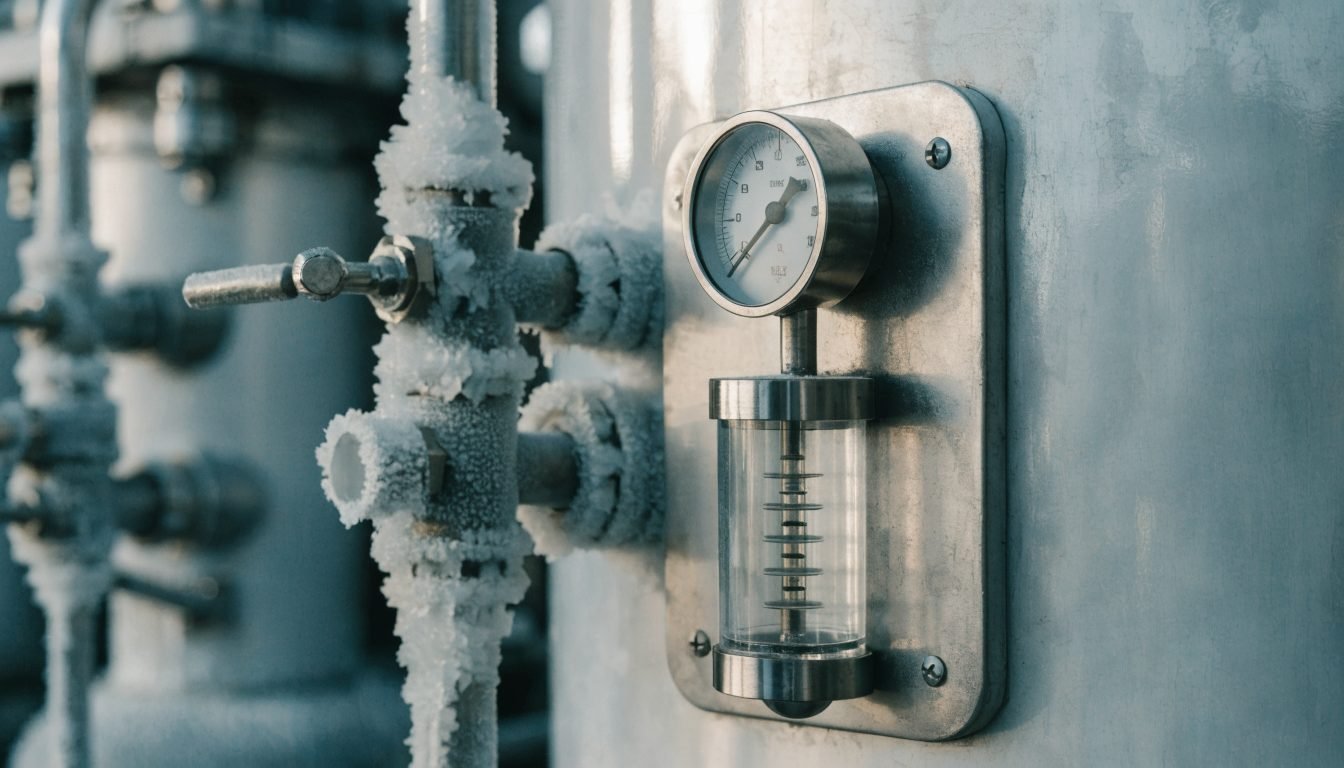
Cryogenic Tank Boil-Off Rate Explained (Normal Values)
What is a normal cryogenic tank boil-off rate? Learn typical values, what drives boil-off, and how to tell normal from a problem.
6 min read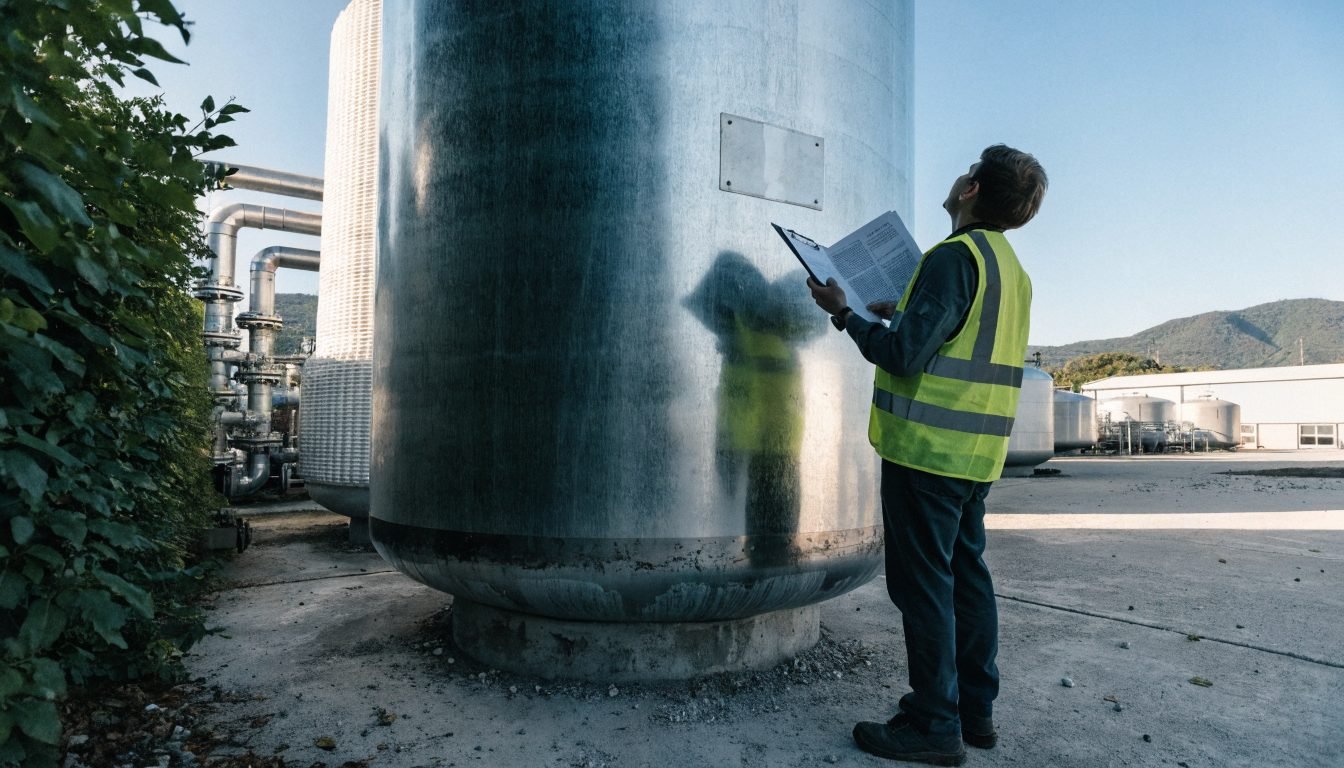
What Certifications Should a Cryogenic Tank Have?
Which cryogenic tank certifications matter: PED 2014/68/EU, ASME, EN 13458, EN 13530, AD 2000, ISO 9001, ISO 14001, ISO 3834-2, and the file to demand.
6 min read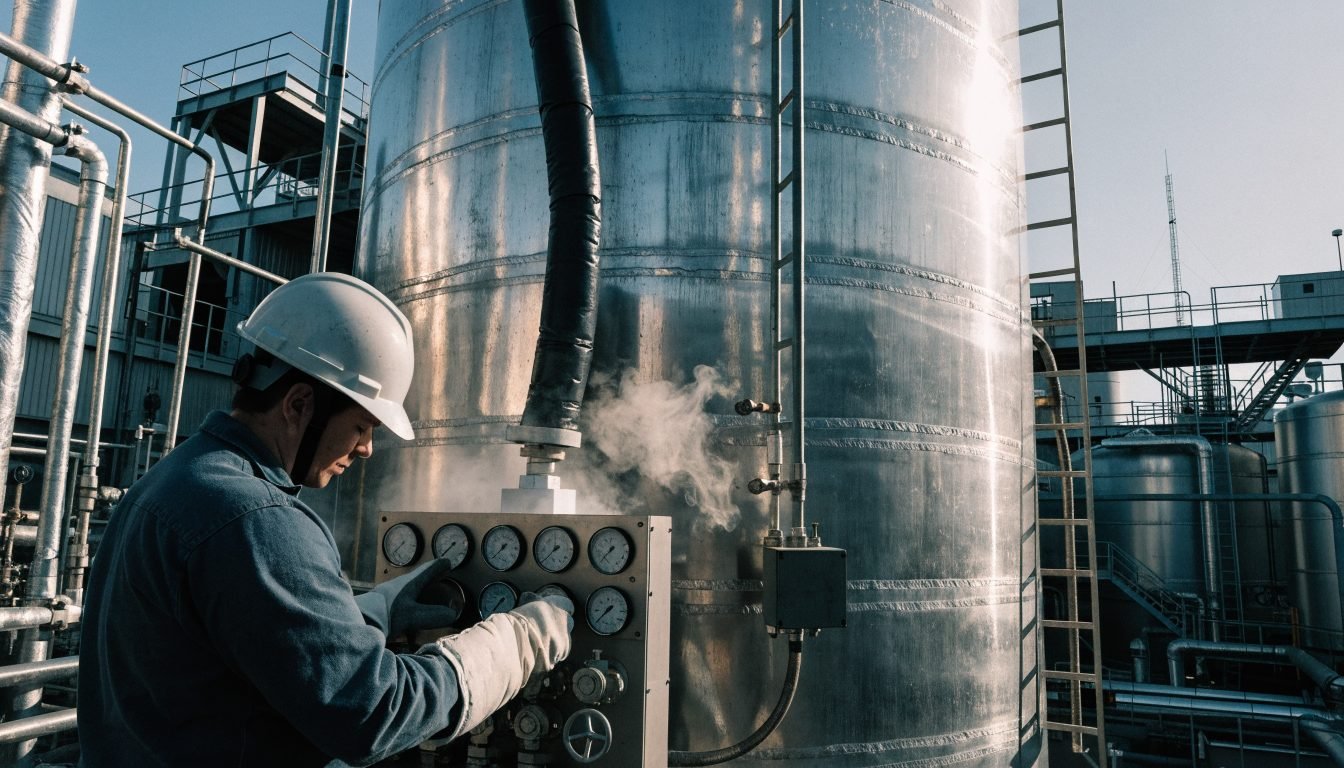
Commissioning a Cryogenic Tank: Purging, Cooldown and First Fill
Cryogenic tank commissioning step by step: leak check, purging, controlled cooldown, staged first fill and handover documents. Why rushing damages equipment.
12 min read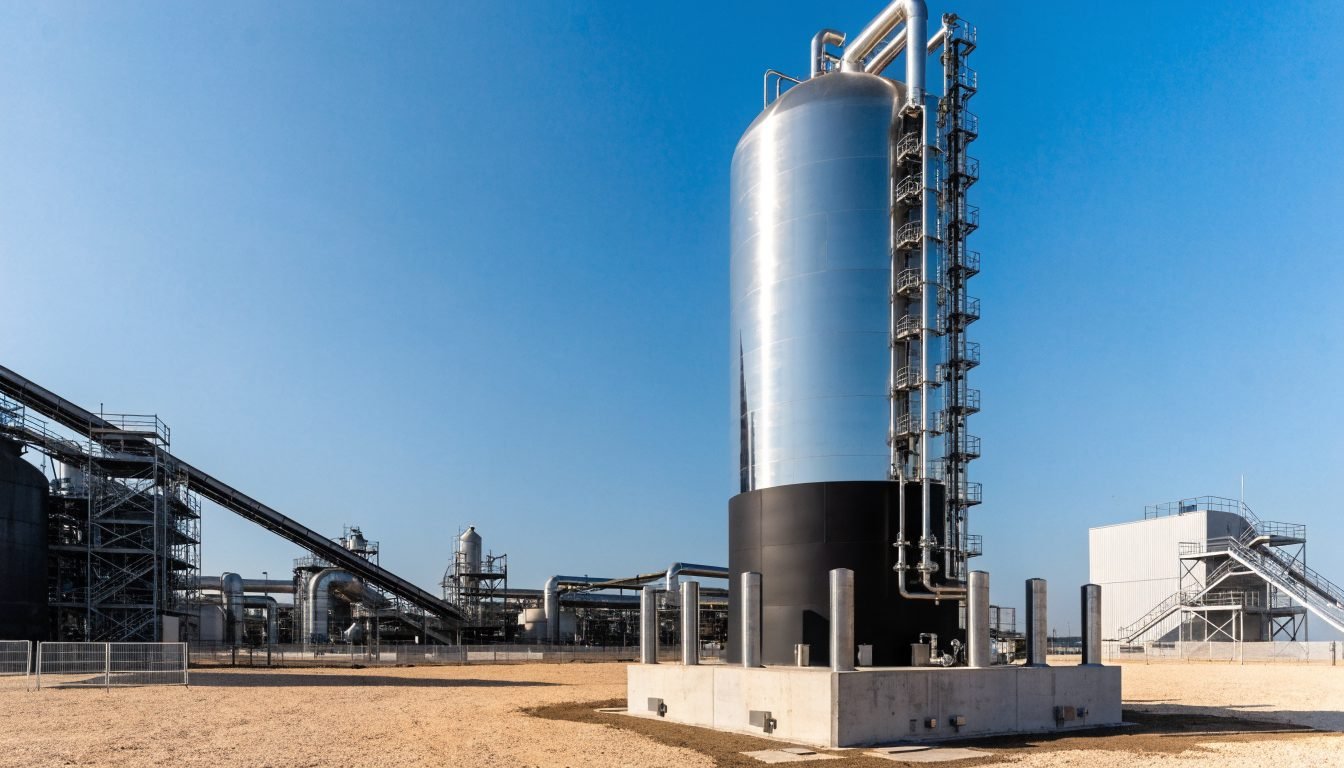
Cryogenic Tank Installation: Siting, Foundation and Clearance Requirements
Cryogenic tank installation requirements: foundation loads, separation distances, tanker access, ventilation and earthing. Plan the site before delivery.
8 min read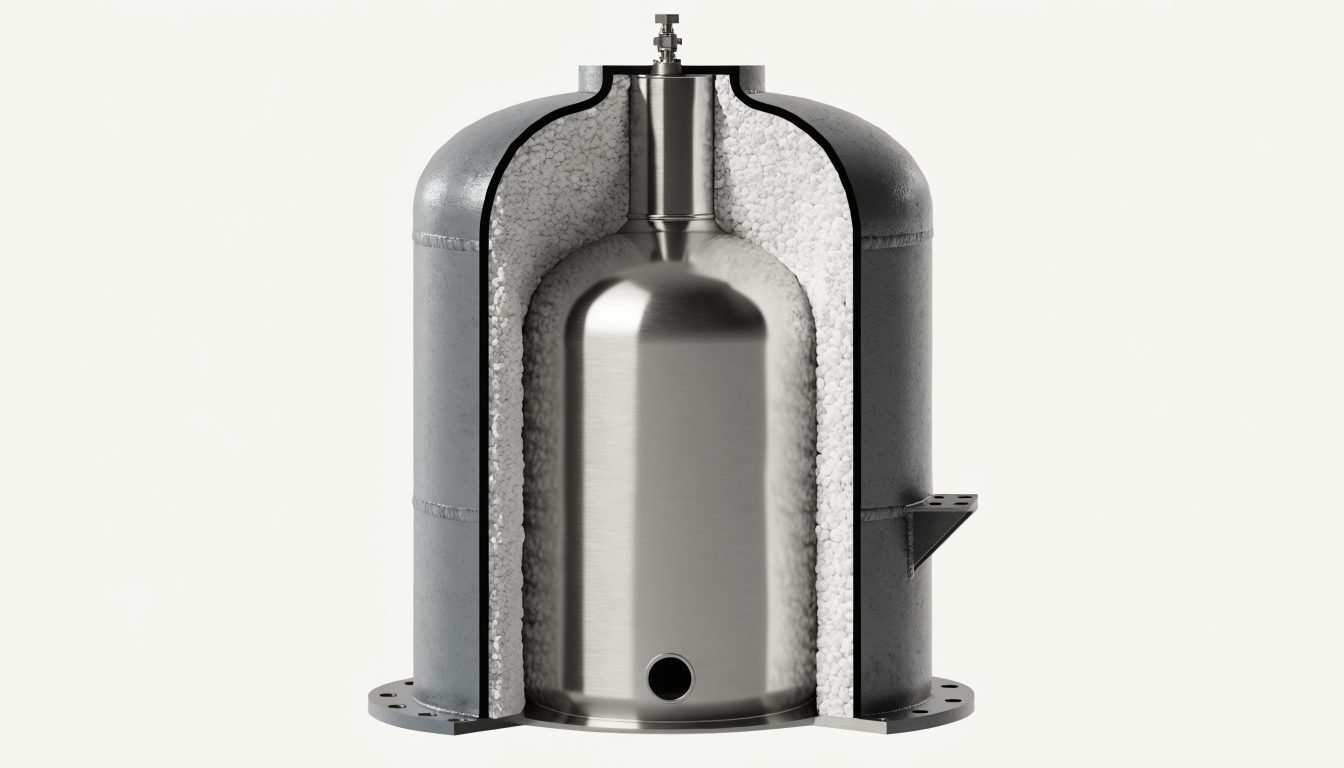
Cryogenic Tank Insulation: Perlite vs Multilayer Insulation
Compare vacuum perlite and multilayer insulation on cryogenic tanks: heat leak, boil off, weight, repairability and what to check when buying a used tank.
12 min read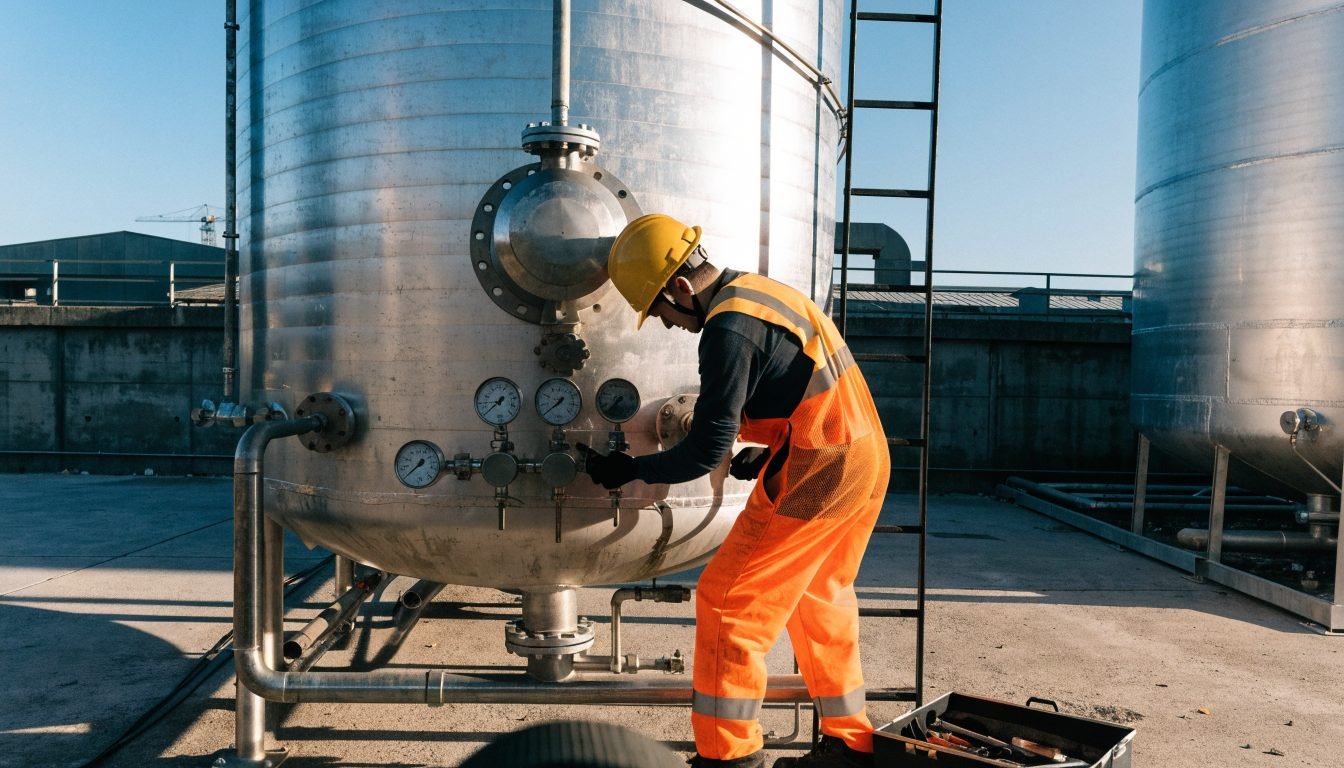
Cryogenic Tank Maintenance Schedule and Vacuum Checks
A practical cryogenic tank maintenance schedule: relief valve checks, a vacuum reading every 6 to 12 months, gauge and valve inspection.
8 min read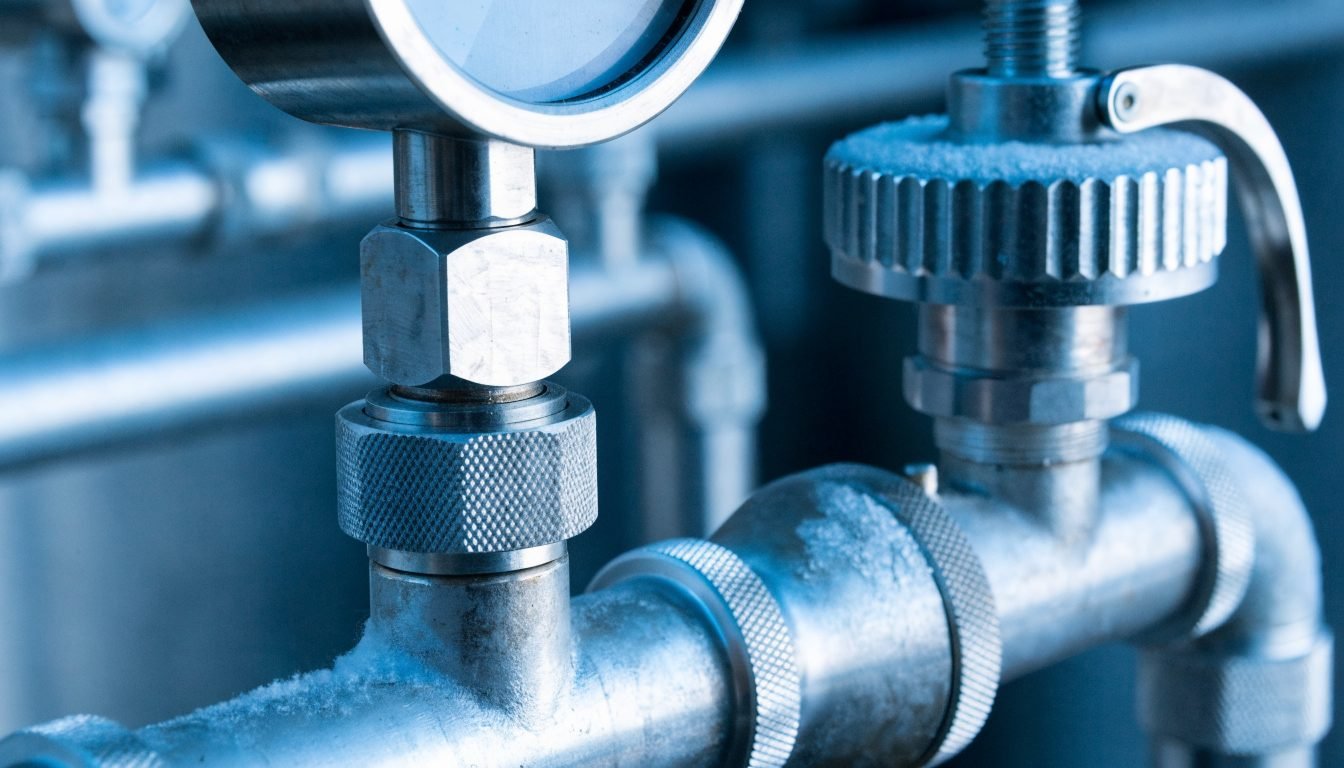
Understanding MAWP and Pressure Class Selection
What cryogenic tank MAWP means, how pressure class sets delivery pressure and boil-off management, and how to choose the right class for your process.
7 min read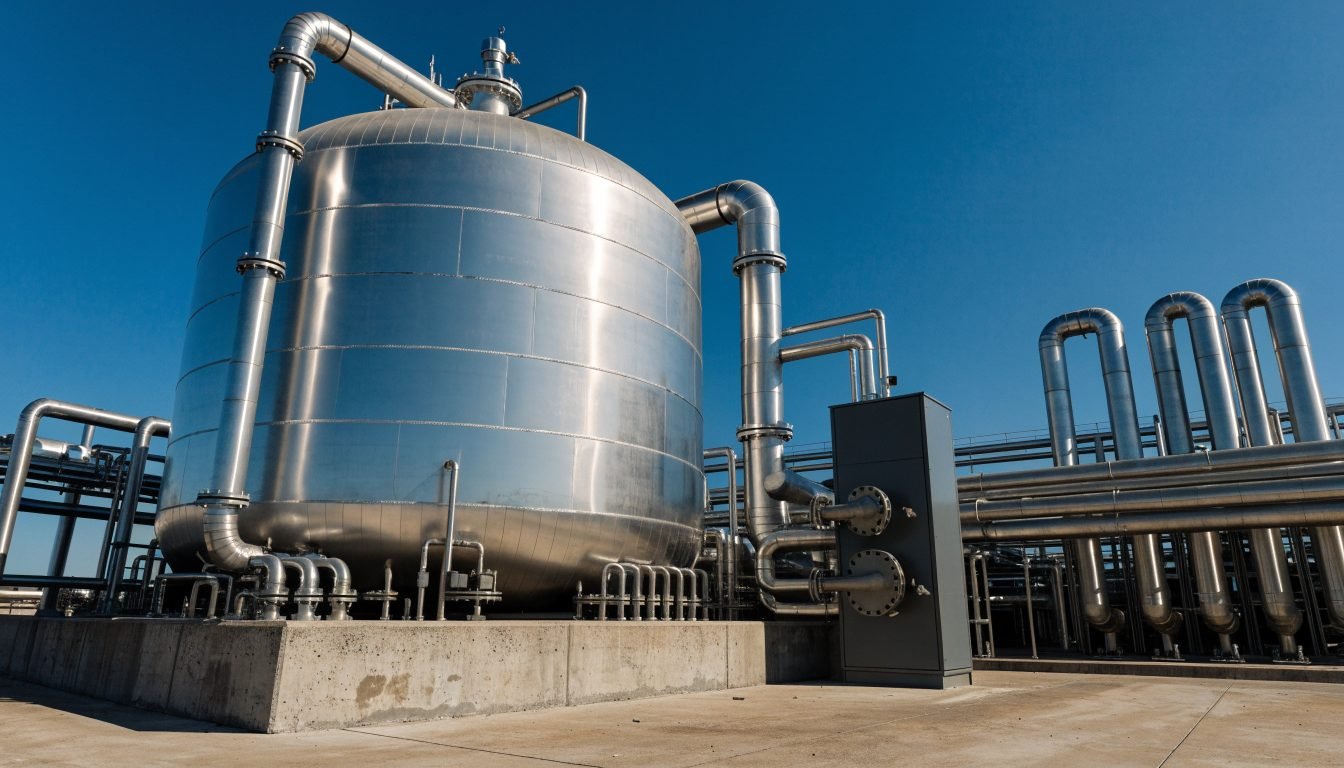
Cryogenic Tank Price: What Drives the Cost
What determines a cryogenic tank price: capacity, pressure class, material, certification, insulation, and new vs used. Why there is no fixed list price.
6 min read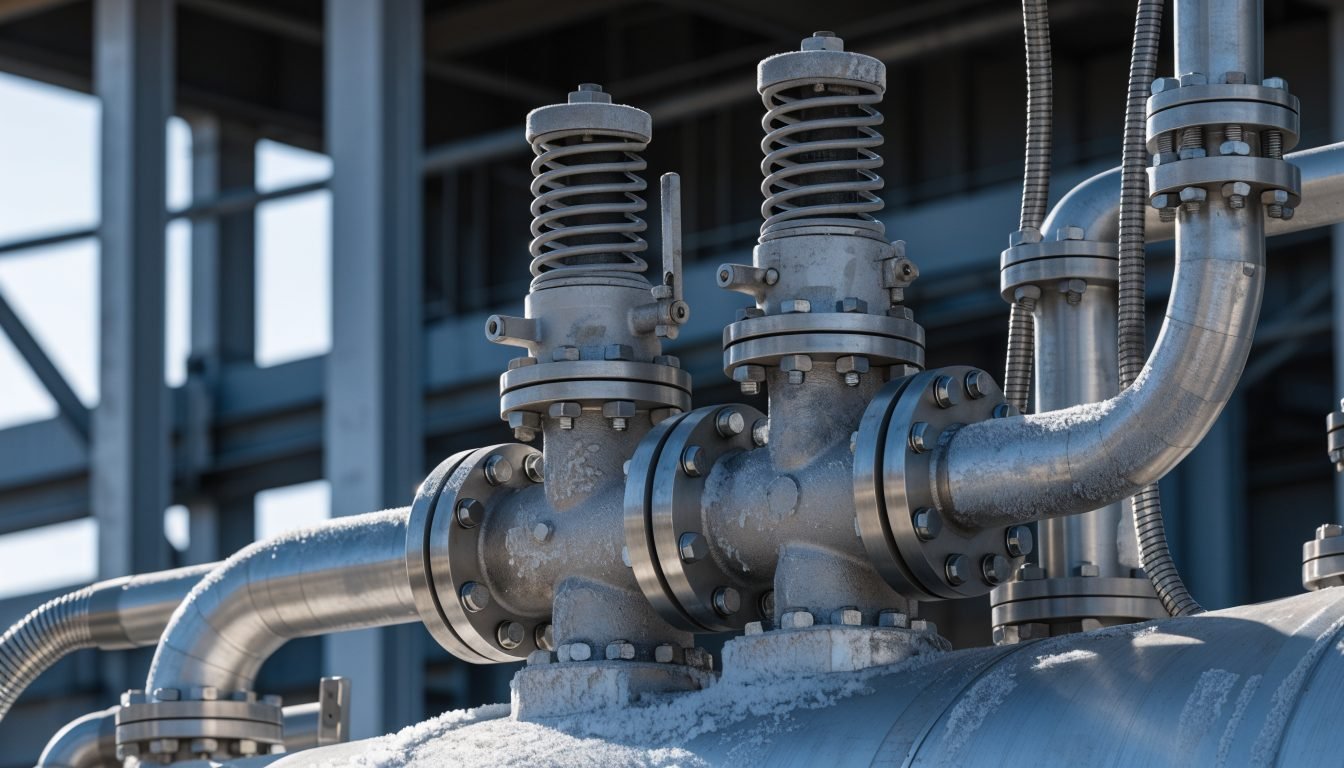
Relief Valves and Safety Devices on Cryogenic Tanks
How the cryogenic tank relief valve system works: primary and secondary relief, rupture disc, annular space relief, changeover valve and inspection rules.
13 min read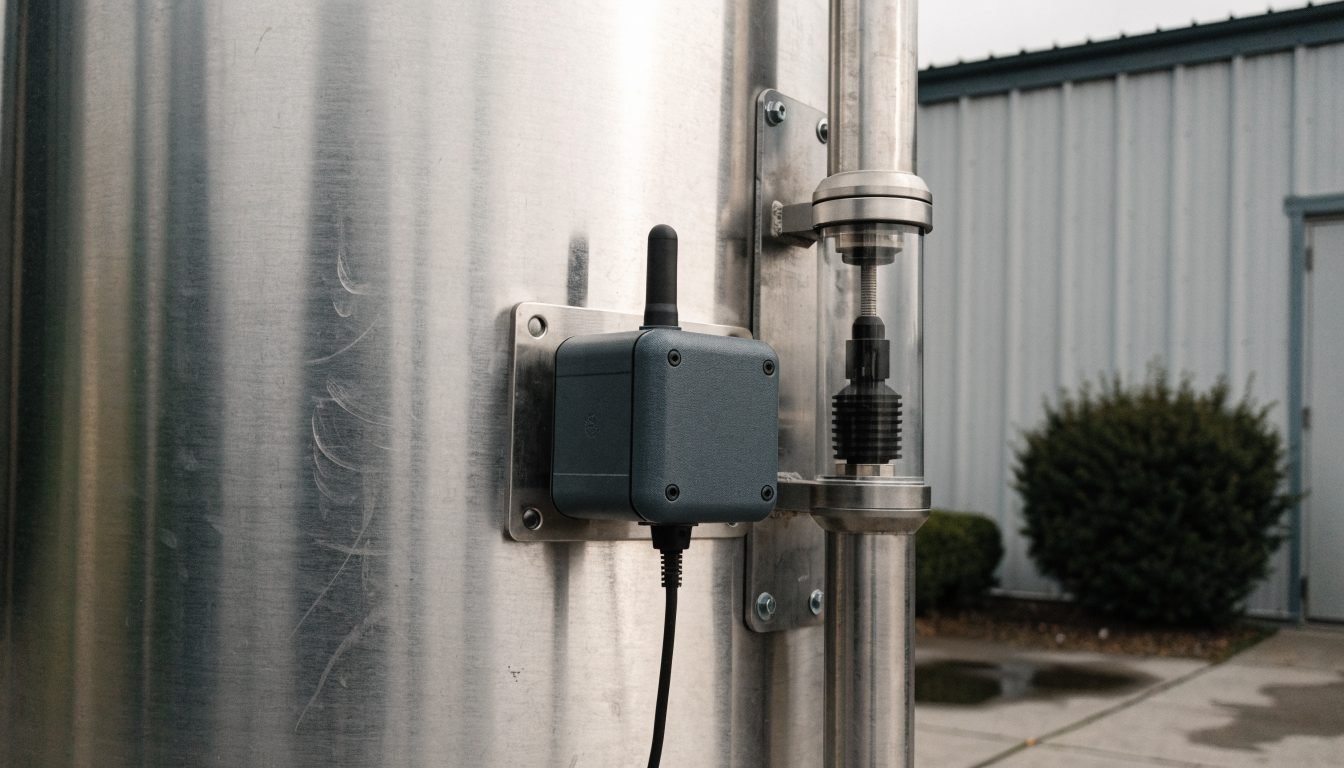
Tank Telemetry and Remote Monitoring for Gas Distributors
How cryogenic tank telemetry works, what it measures, how remote level monitoring changes delivery routing, and what to check before retrofitting a tank.
10 min read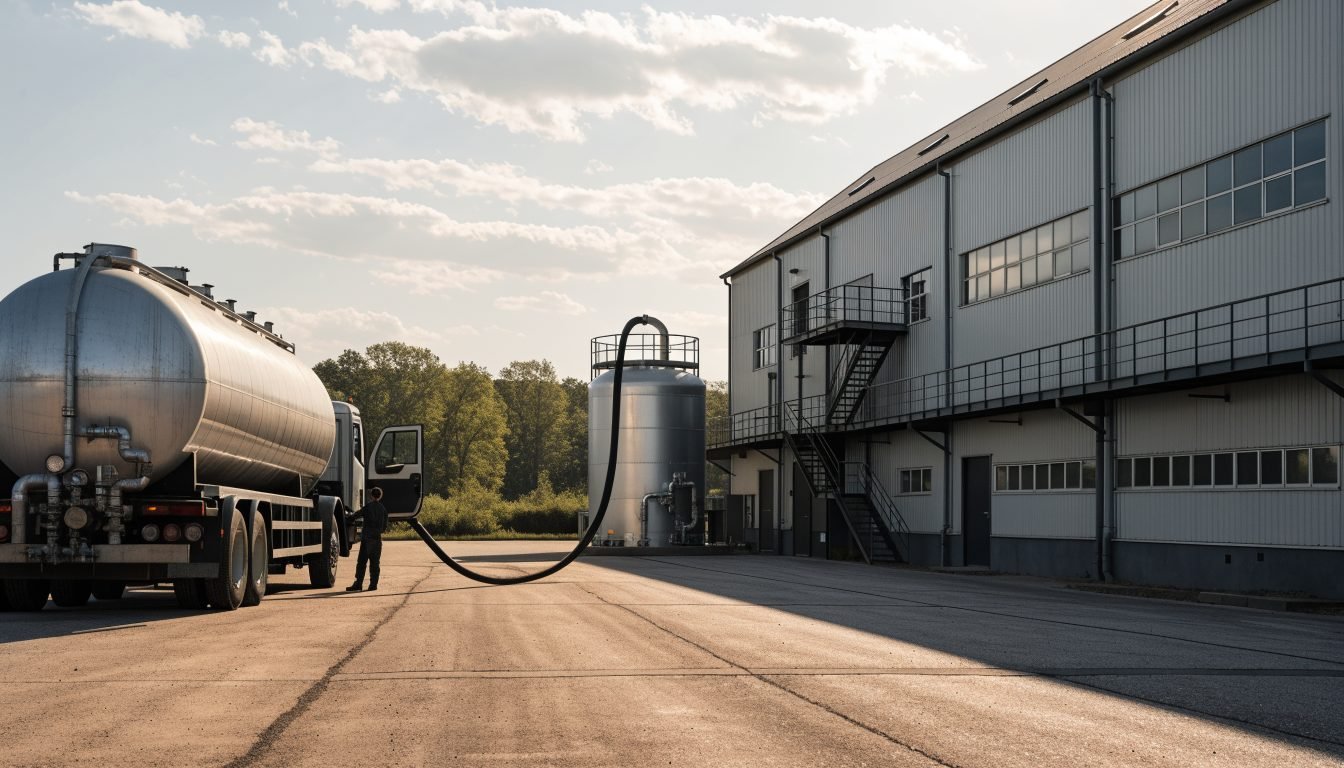
Customer Station Tanks: Sizing for Your Gas Demand
How gas distributors size a customer station tank by consumption and delivery route, plus telemetry and MicroBulk versus bulk.
6 min read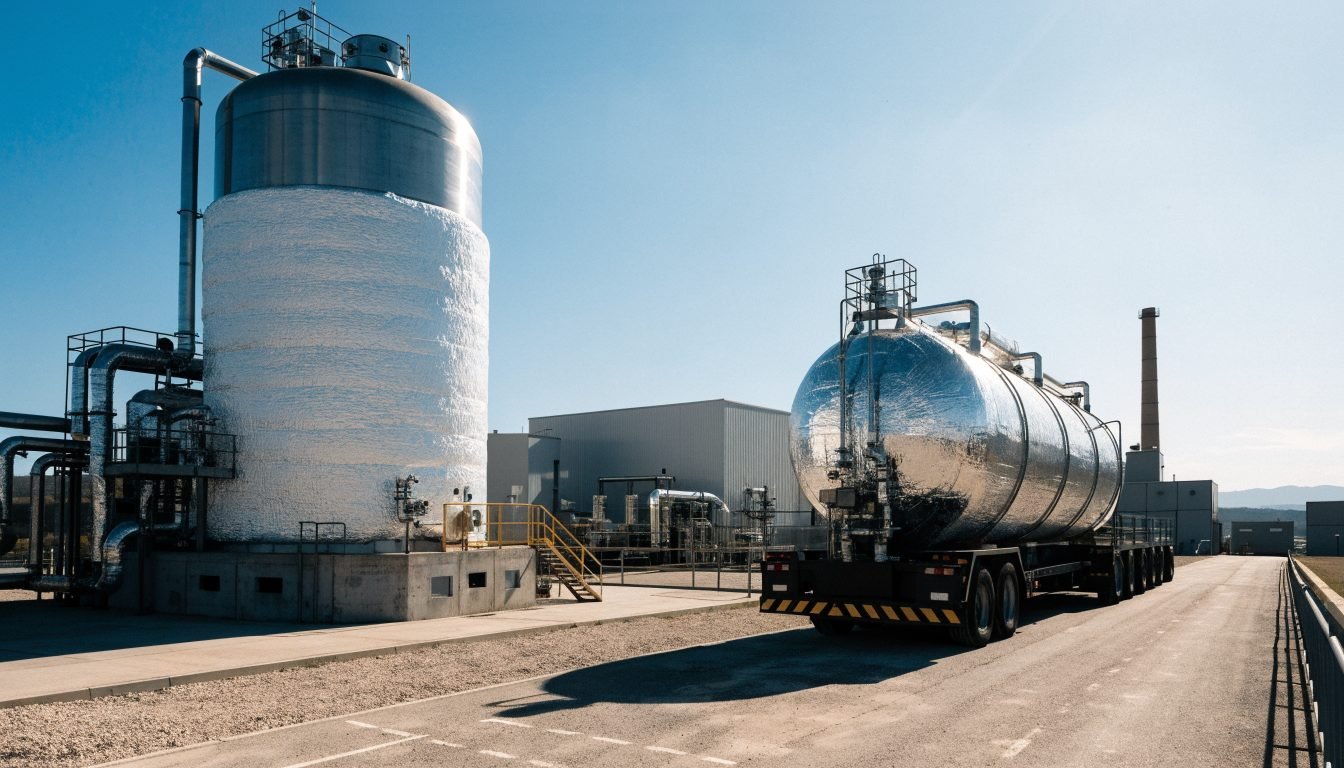
EN 13458 and EN 13530 Explained for Cryogenic Tank Buyers
EN 13458 covers static cryogenic vessels and EN 13530 covers transportable ones. See what each standard means for cryogenic tank buyers.
6 min read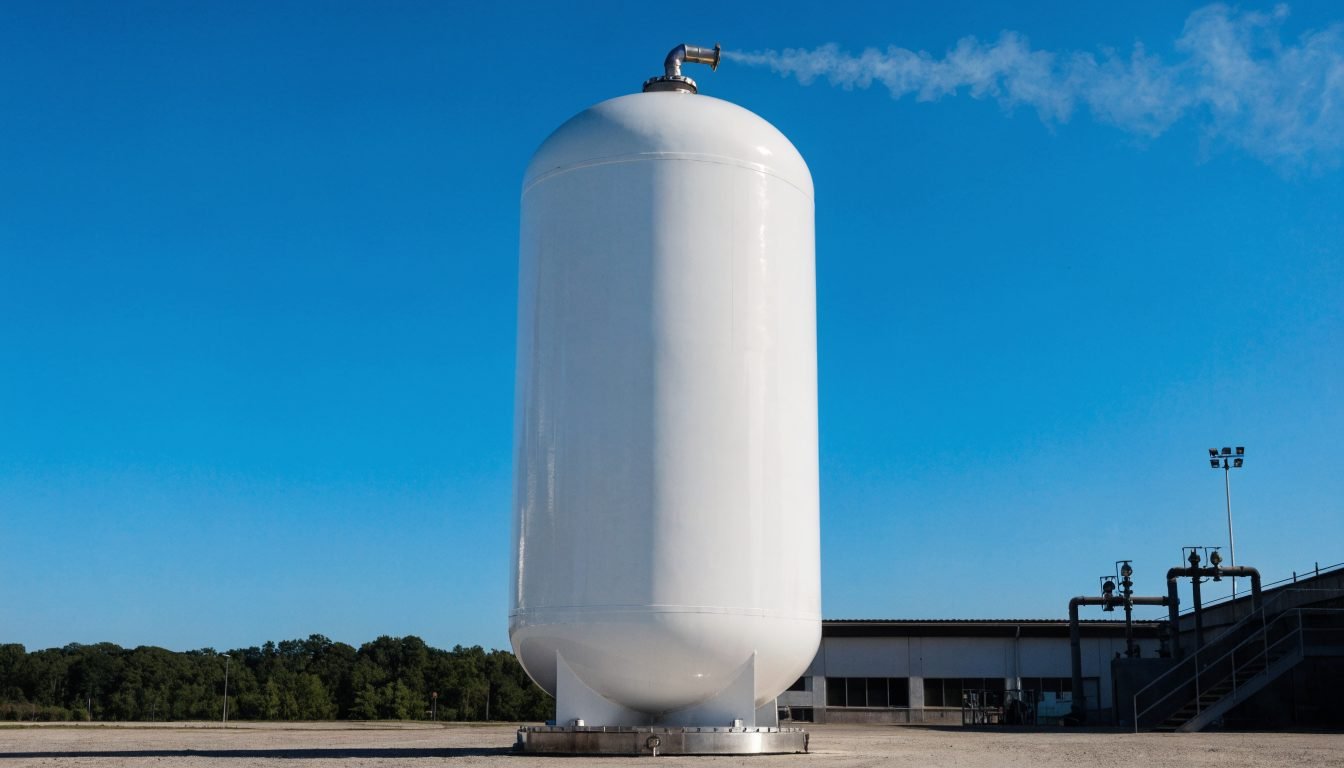
Holding Time and NER: How Long Cryogenic Liquid Lasts
What NER and holding time mean, what affects them, and typical static evaporation of roughly 0.2 to 0.6 percent per day for modern stationary cryogenic tanks.
7 min read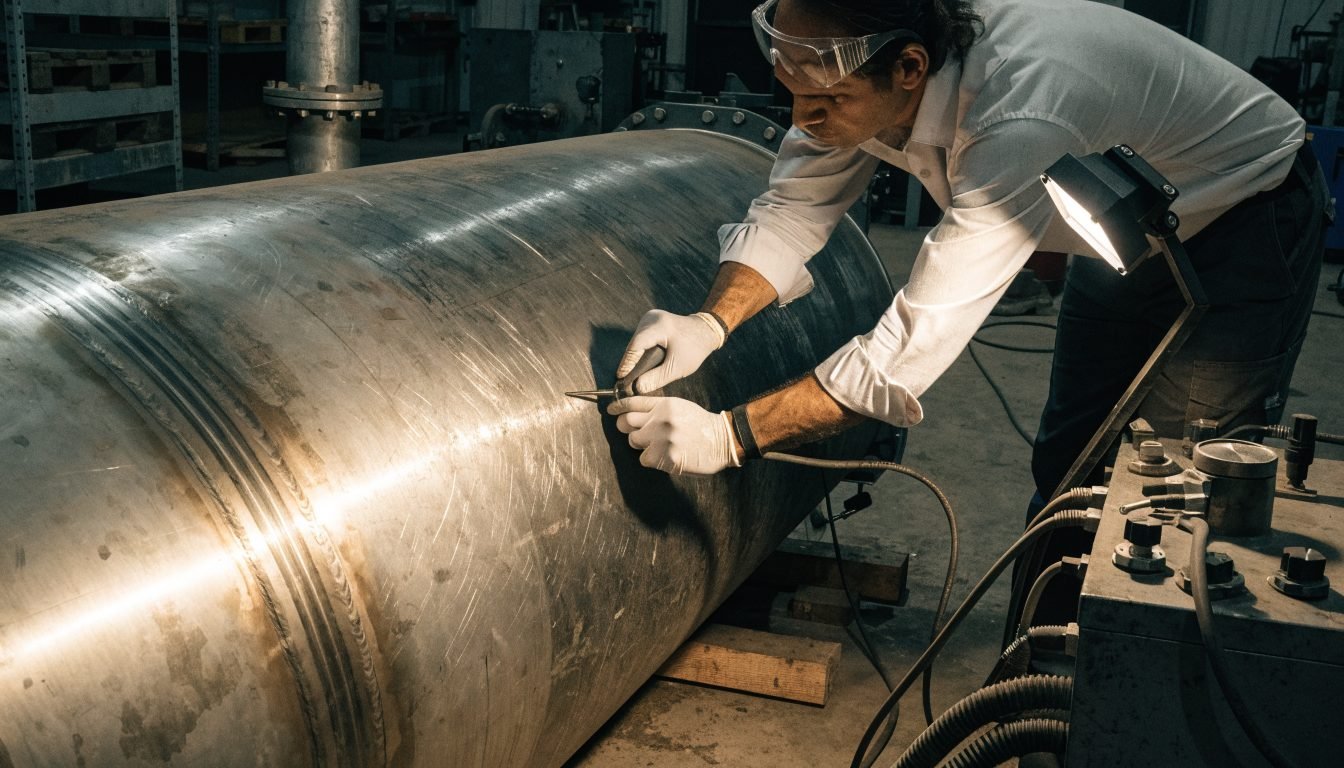
How Certified Second-Hand Cryogenic Tanks Are Inspected and Tested
See how a certified used cryogenic tank is inspected, NDT tested, and vacuum and pressure tested, then sold with a document dossier and warranty.
5 min read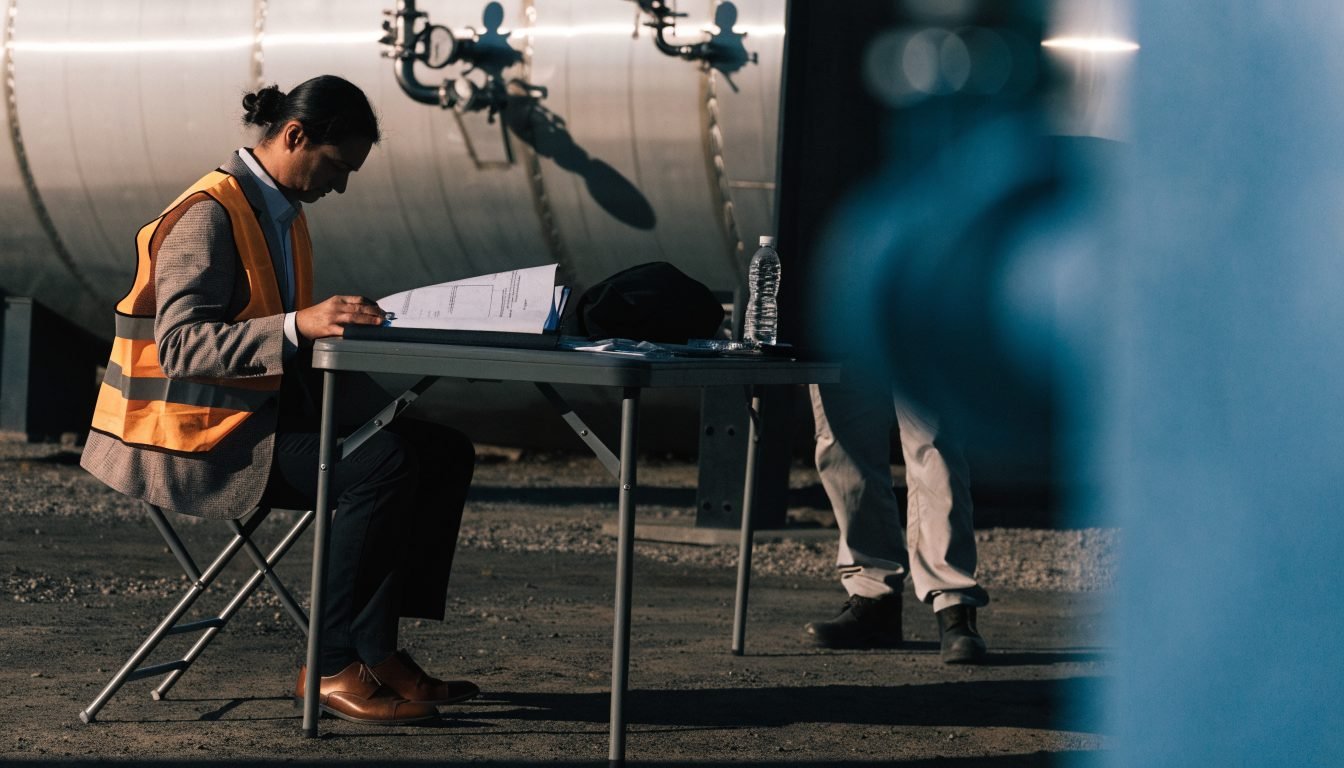
How to Choose a Cryogenic Equipment Supplier: A Checklist
A checklist for choosing a cryogenic tank supplier: certifications, testing, documentation and warranty on used units, lead time, trade-in, and export reach.
5 min read
How to Read a Cryogenic Tank Nameplate and Data Sheet
Read a cryogenic tank nameplate line by line: MAWP, design temperature, test pressure, code, notified body and serial number, then cross check the dossier.
12 min read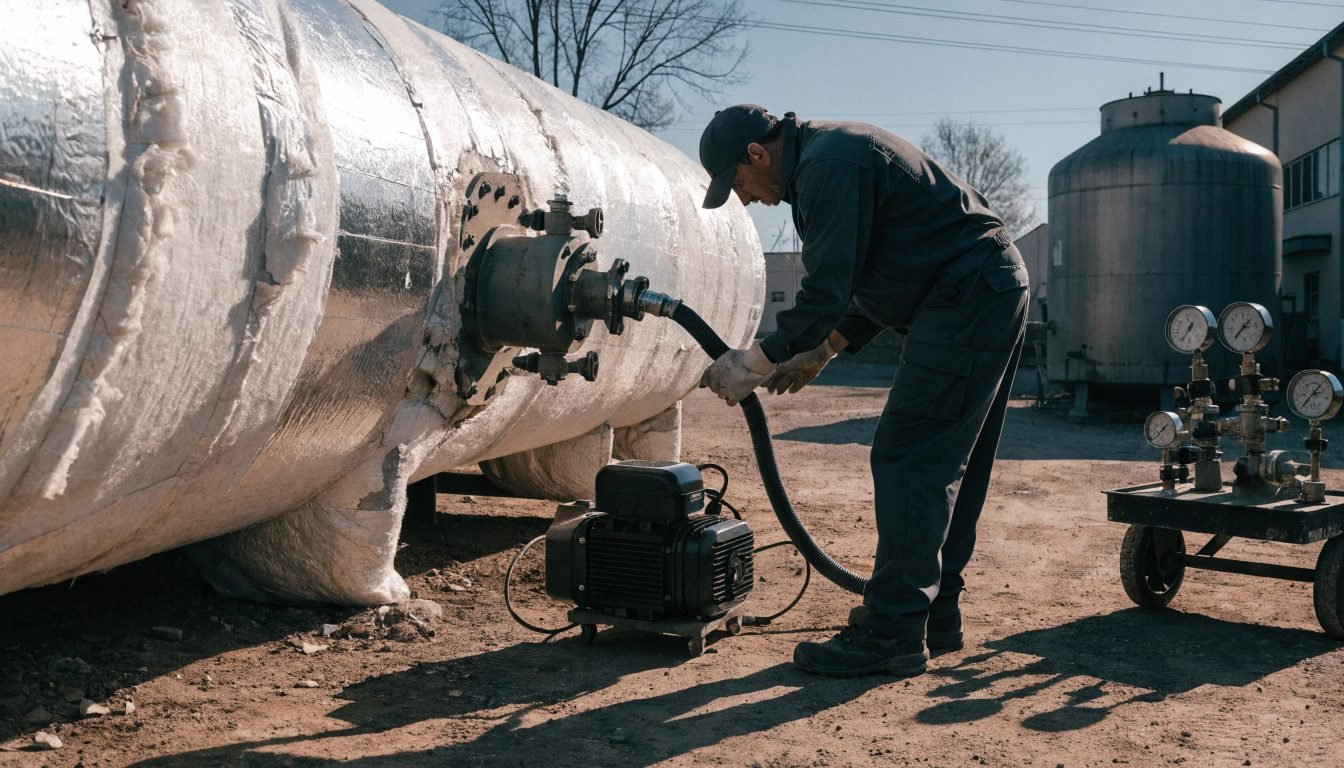
How to Restore Vacuum in a Cryogenic Tank
Cryogenic tank vacuum restoration explained: what re-evacuation involves, when it is worth doing versus replacing, and how a specialist performs.
7 min read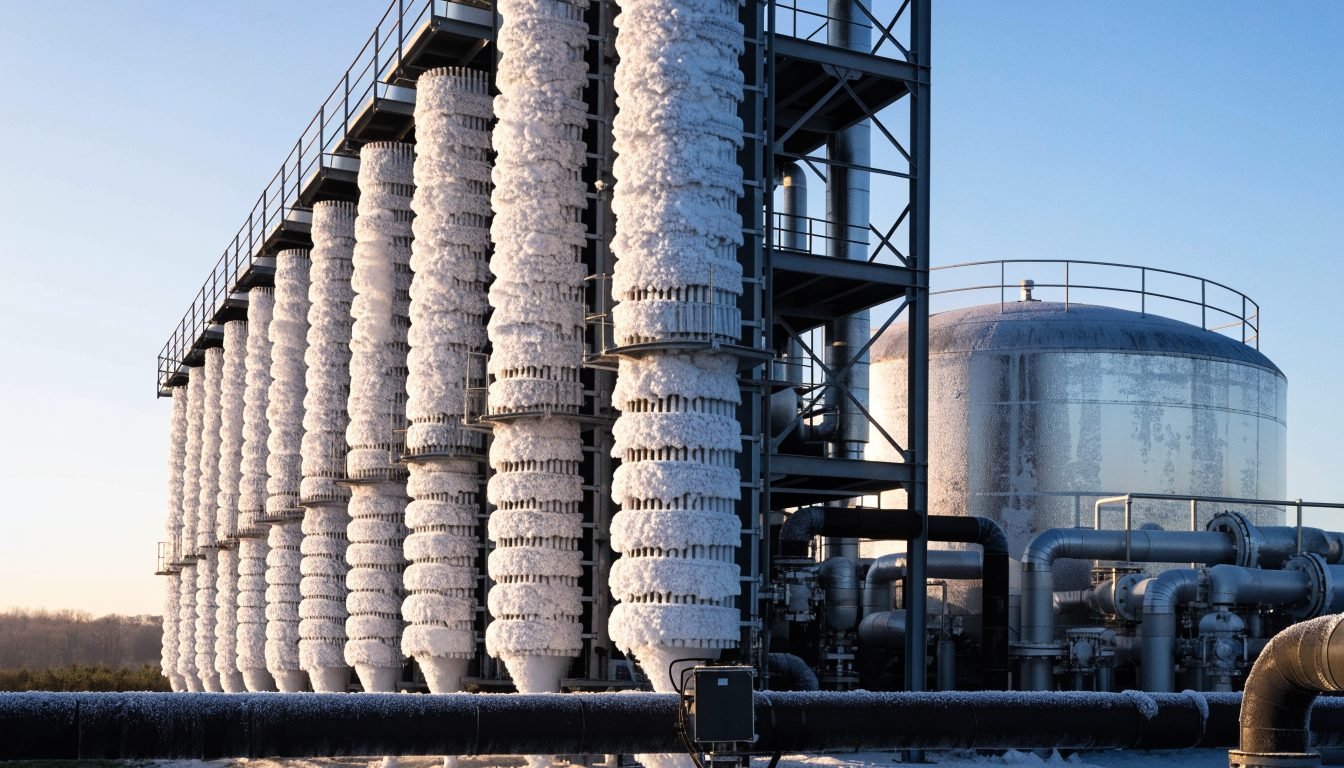
How to Size an Ambient Air Vaporizer
Size an ambient air vaporizer by flow rate, gas type, ambient temperature, duty cycle and defrost. Series vs parallel and cold climate margin explained.
7 min read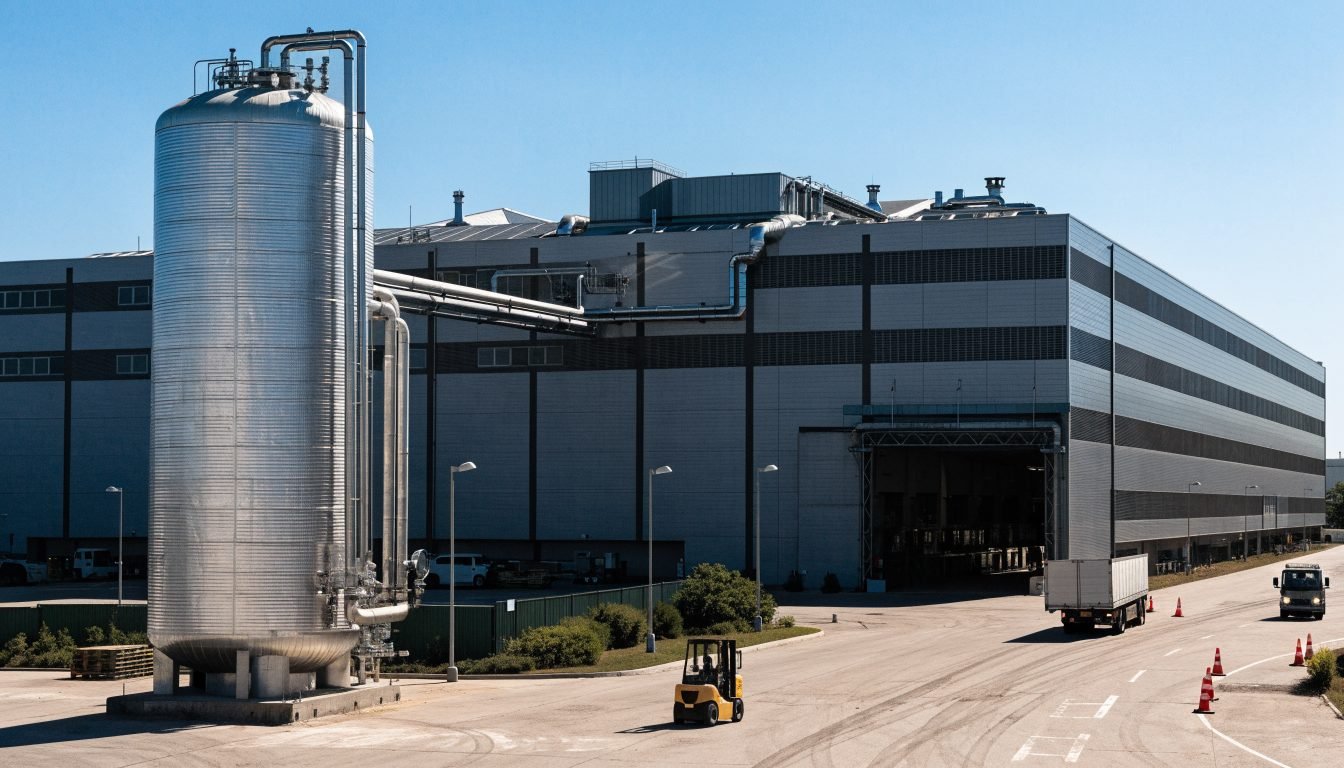
How to Size a Cryogenic Storage Tank for Your Plant
Cryogenic tank sizing by daily consumption, delivery frequency, autonomy days, peak demand and pressure. A clear buyer's method plus expert KAF help.
8 min read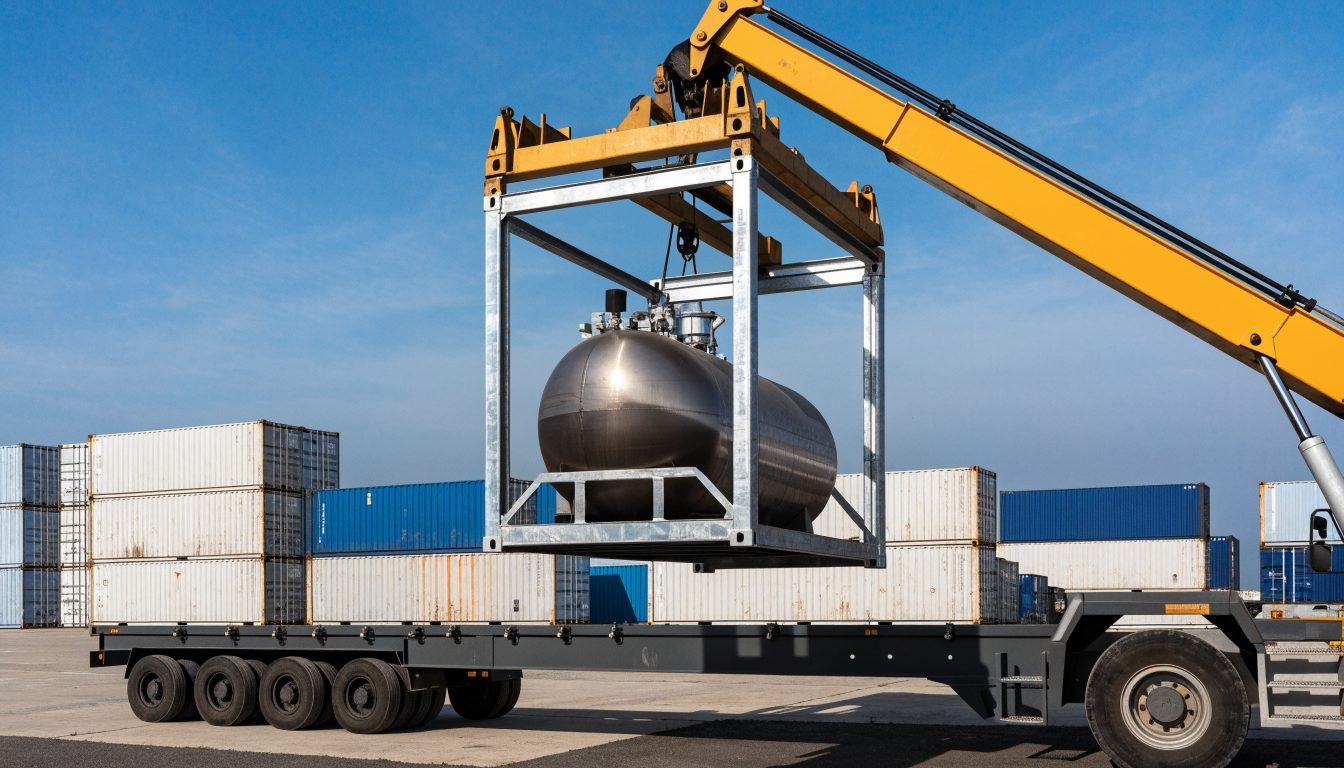
ISO Tank Containers for Cryogenic and Liquefied Gas Transport
How ISO tank containers move cryogenic and liquefied gas: T75 type, multimodal transport, certification, and new vs certified used. Get an accurate quote.
6 min read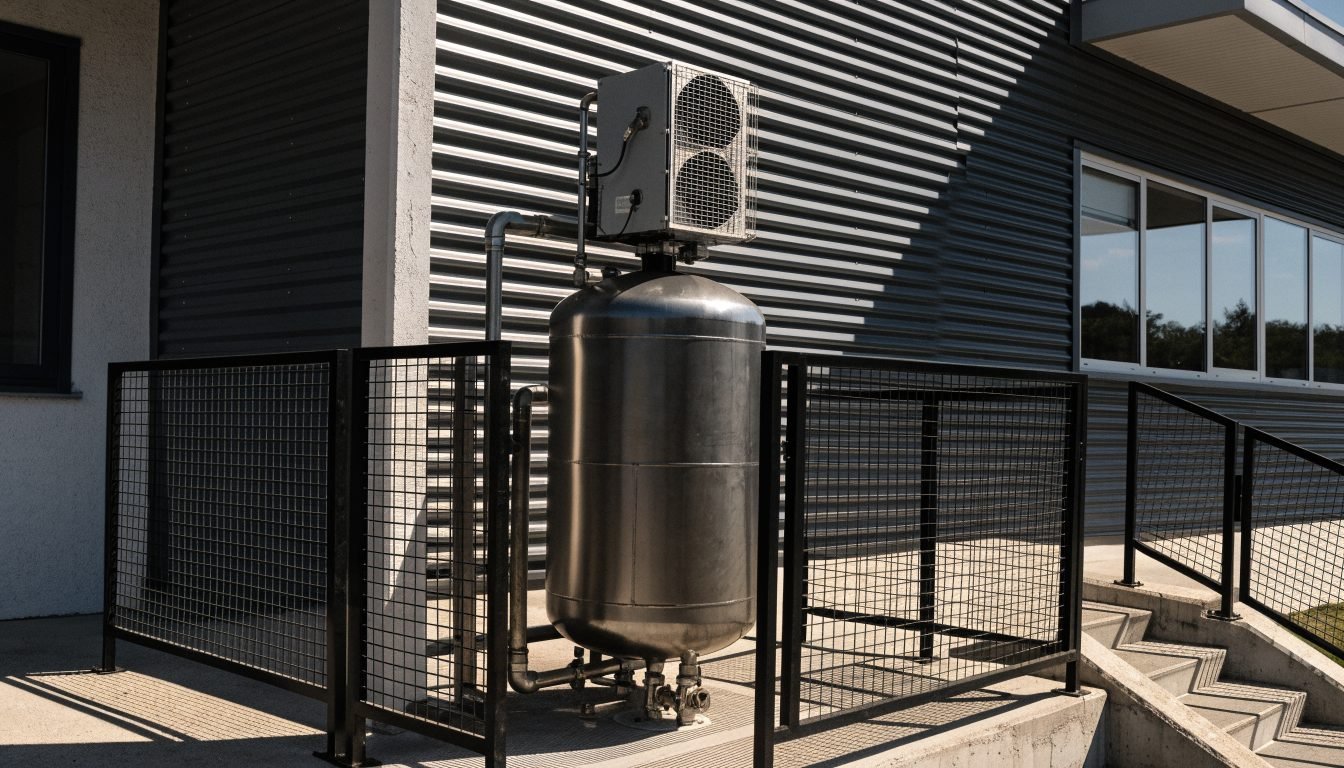
LCO2 Storage Tank Selection for Beverage and Industrial Use
How to select an LCO2 storage tank by capacity, pressure, refrigeration unit and use case for beverage, food, welding and industrial CO2.
6 min read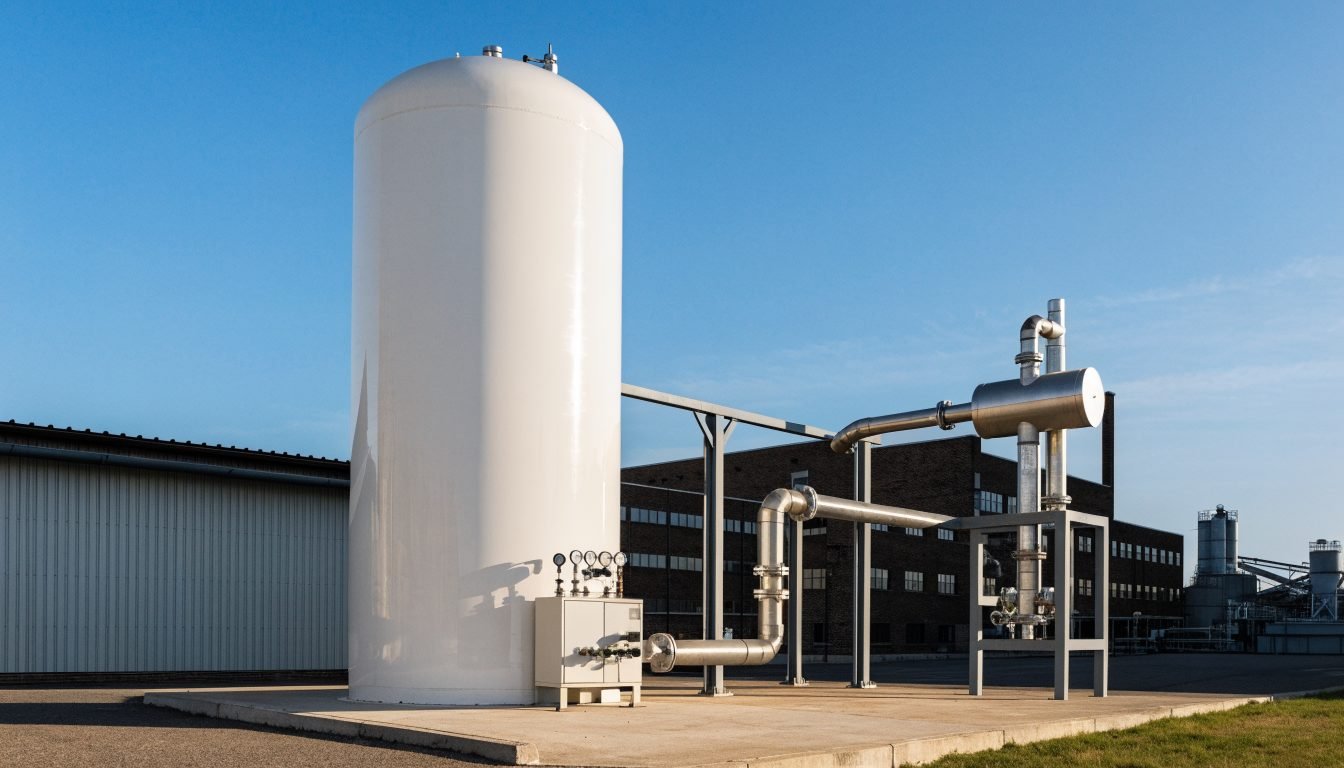
Liquid Nitrogen Storage Tank Buying Guide (LIN)
How to buy a liquid nitrogen storage tank: size by application, match a vaporizer, weigh new against certified used, and get an accurate quote from KAF.
7 min read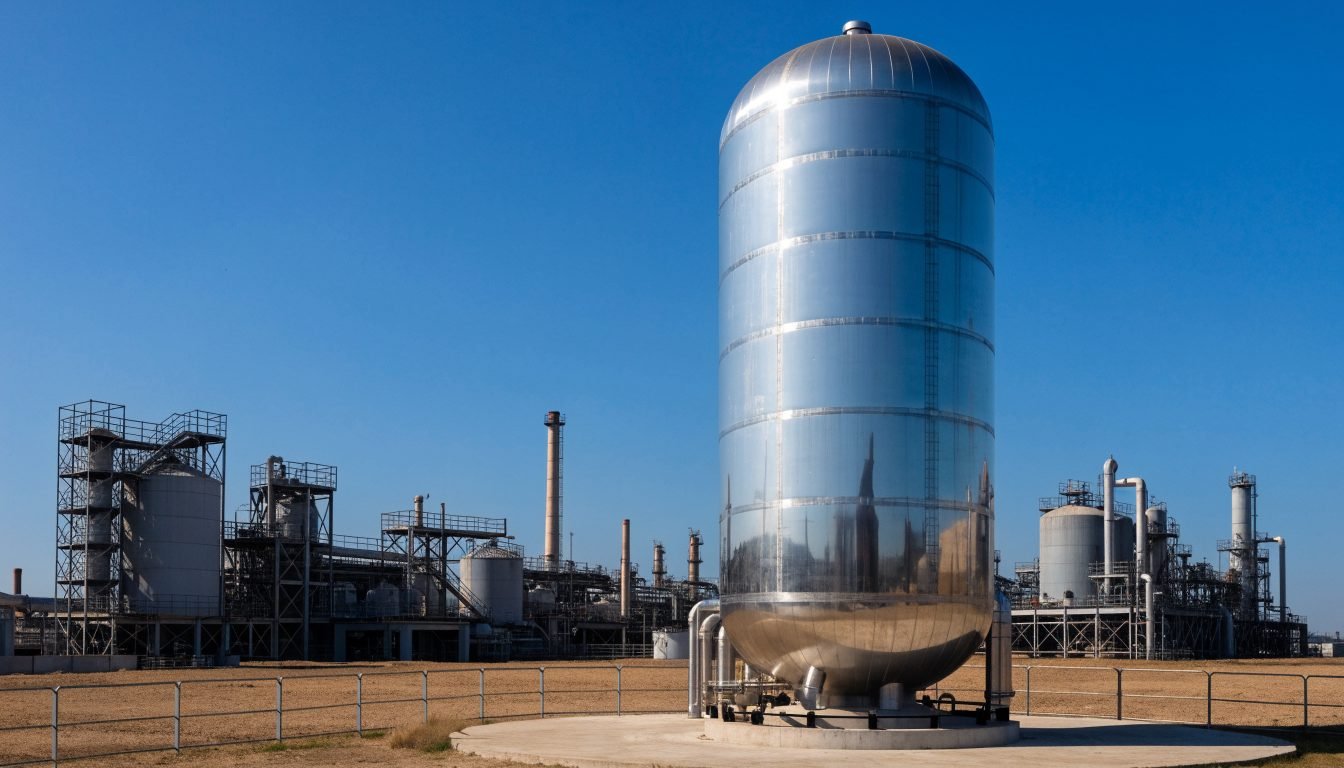
Liquid Oxygen Tank Safety and Selection (LOX)
How to select a liquid oxygen tank and handle it safely: oxygen cleaning, material compatibility, siting, capacity and pressure.
7 min read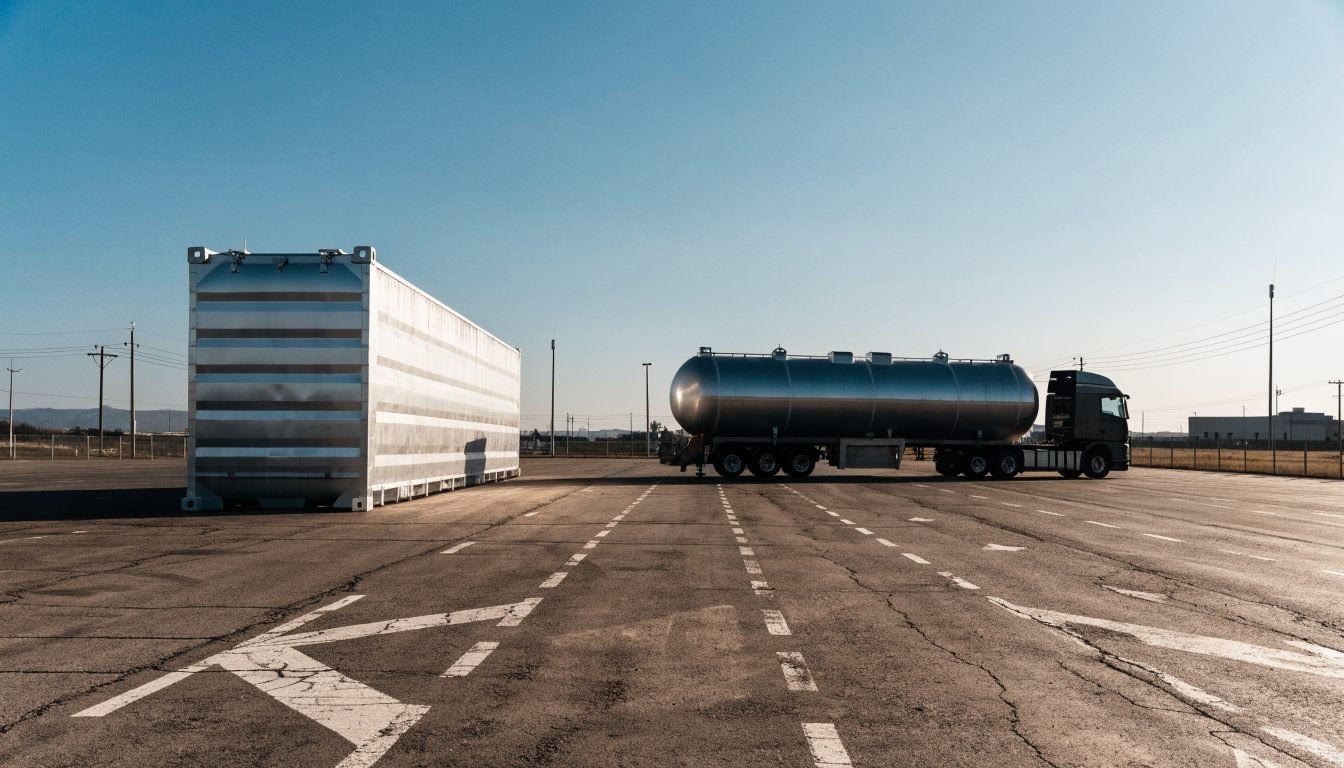
LNG ISO Tank Containers vs Semi-Trailers: Which for Your Route
LNG ISO tank containers vs semi-trailers compared for distribution: multimodal reach, payload, cost and route fit. Get a quote from KAF Cryogenics.
6 min read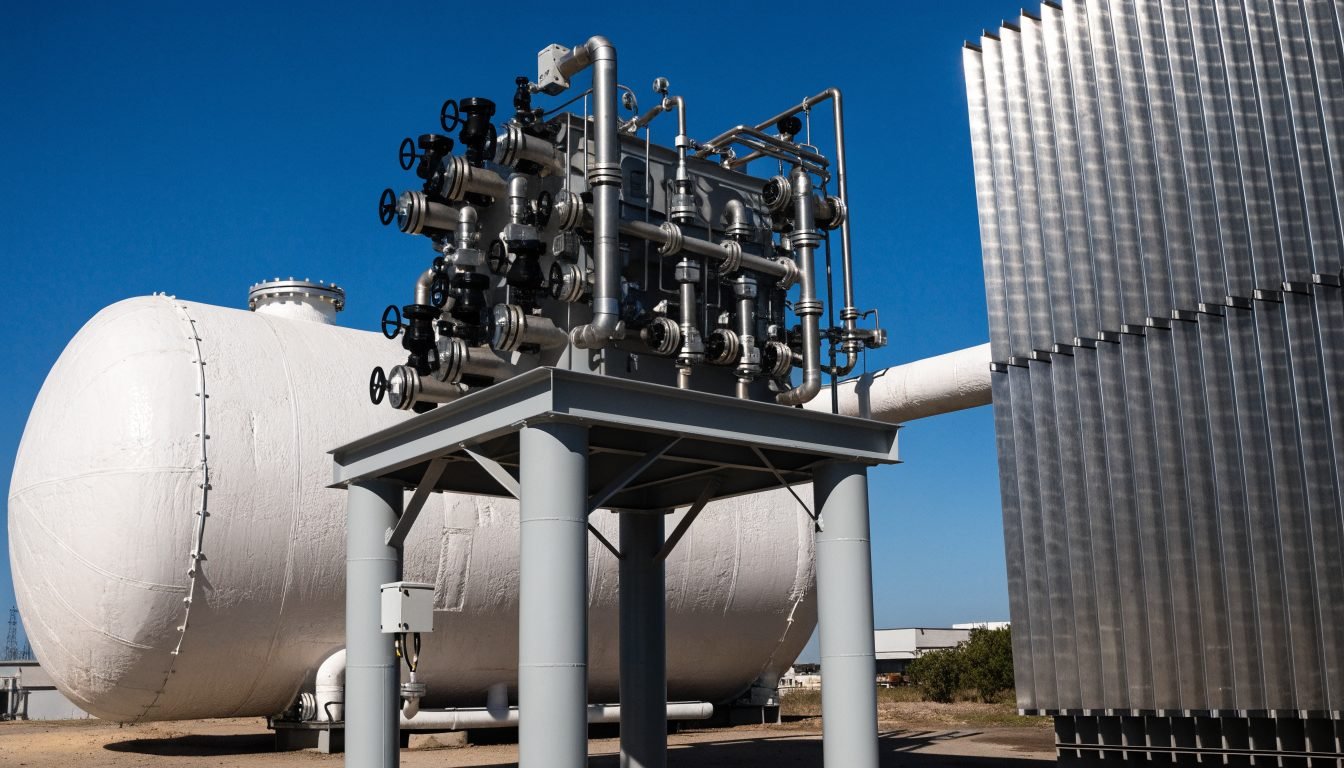
LNG Regasification Basics for Distributors
How LNG regasification works at distribution scale: storage, ambient air vaporization, pressure and temperature control, and send-out.
6 min read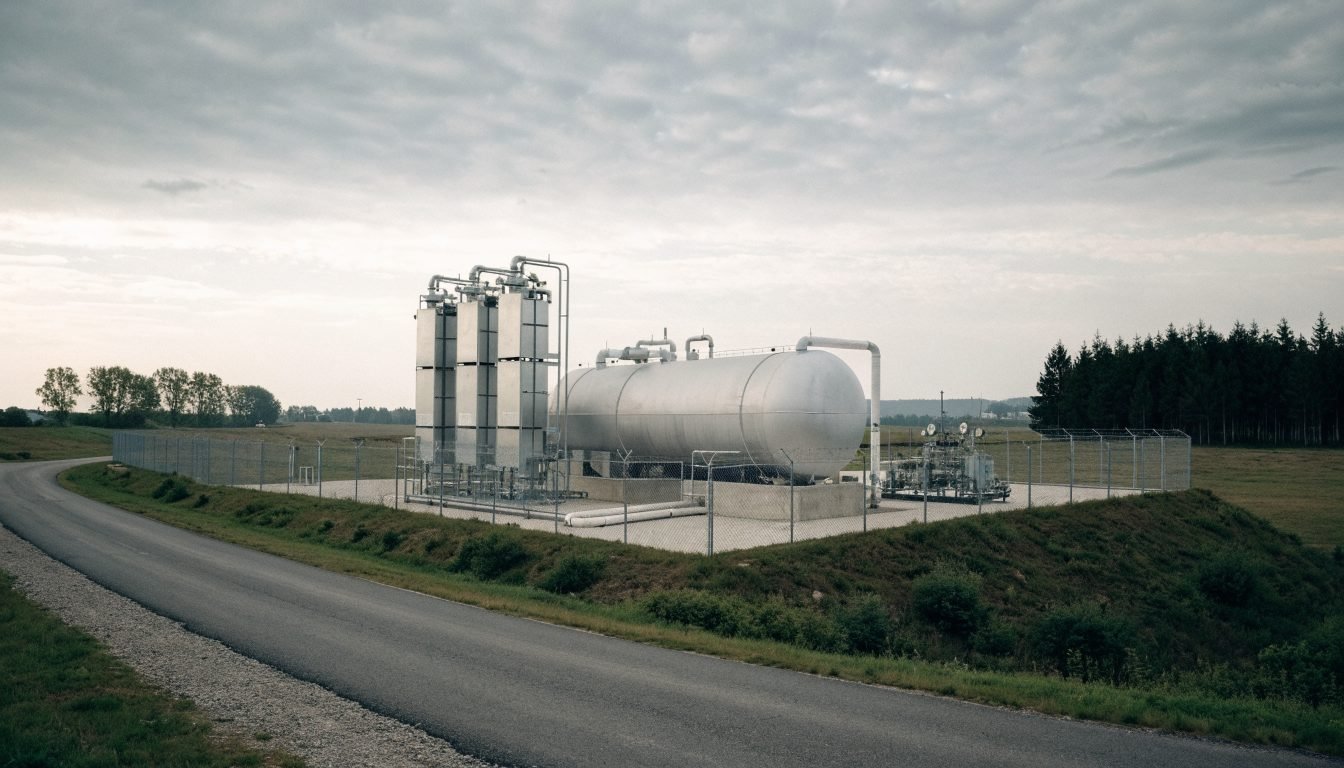
Equipment Checklist for an LNG Satellite Station
The complete LNG satellite station equipment checklist: storage tank, ambient vaporizers, pressure control, odorization, metering and safety. Plan your build.
7 min read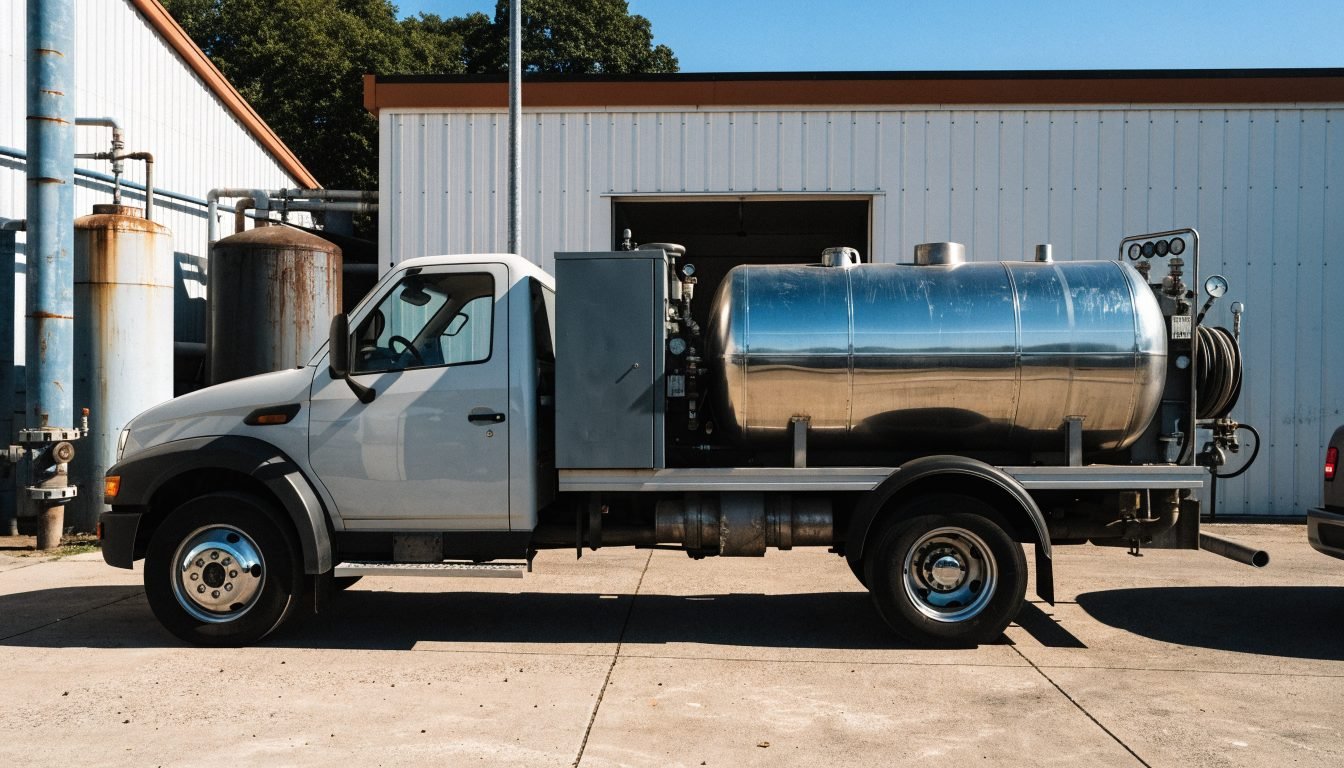
LPG Bobtail Trucks: New vs Used Buying Guide
Buying an LPG bobtail truck? Compare new vs used, see the used inspection checklist, ADR checks and documents to demand before you commit.
6 min read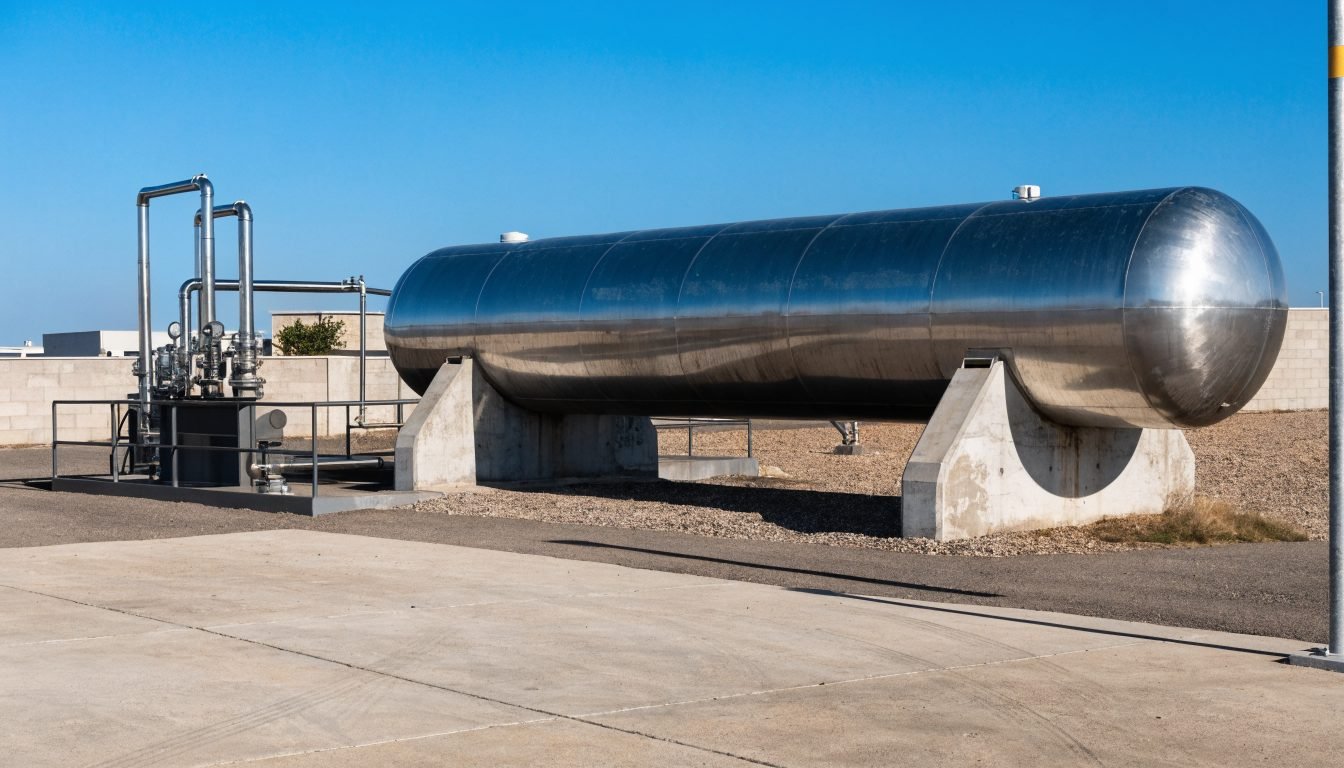
LPG Storage Tank Sizing for Filling Stations
Size an LPG storage tank for a filling or autogas station by throughput, delivery frequency, autonomy and pressure. A practical method plus stock.
6 min read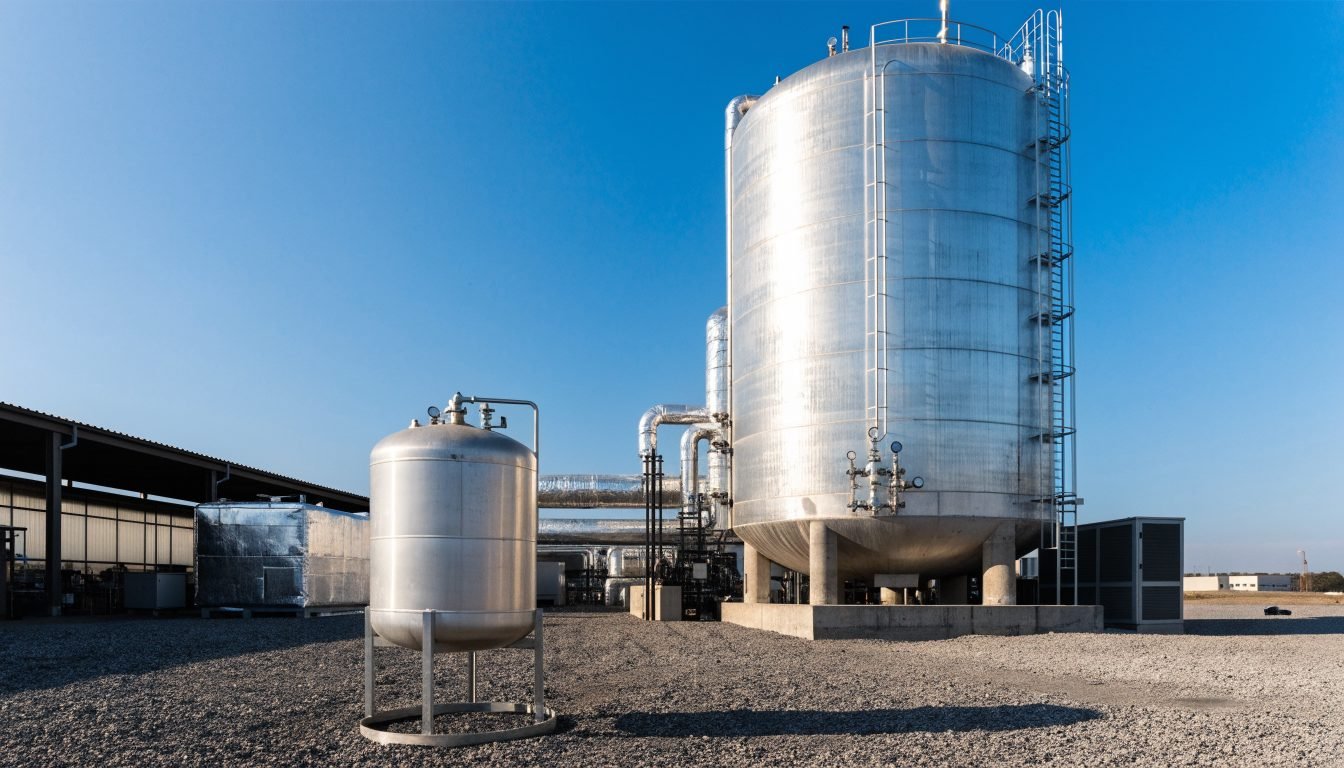
MicroBulk vs Bulk Storage: Which Fits Your Gas Usage
Compare microbulk vs bulk cryogenic storage by gas usage, cost, and site fit. See where each pays off and how to size supply. Get an accurate quote from KAF.
6 min read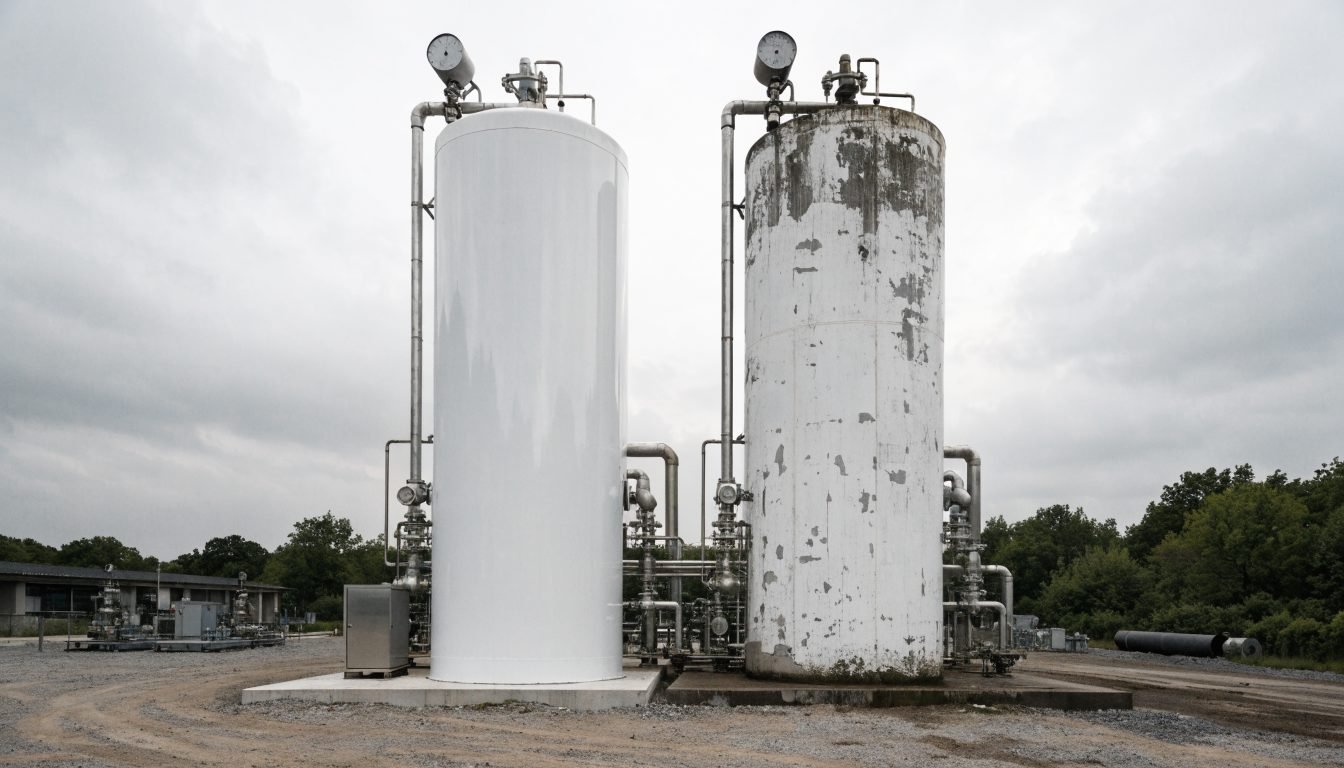
New vs Used Cryogenic Tank: Total Cost of Ownership Compared
Compare a new vs used cryogenic tank across price, lead time, lifespan, and certification. See when each makes sense and how to lower total cost.
5 min read
Oxygen Deficiency and Enrichment: Cryogenic Safety Basics
How the oxygen deficiency hazard works in cryogenic service, why LOX creates enrichment risk, and how monitoring, ventilation and PPE control both.
11 min read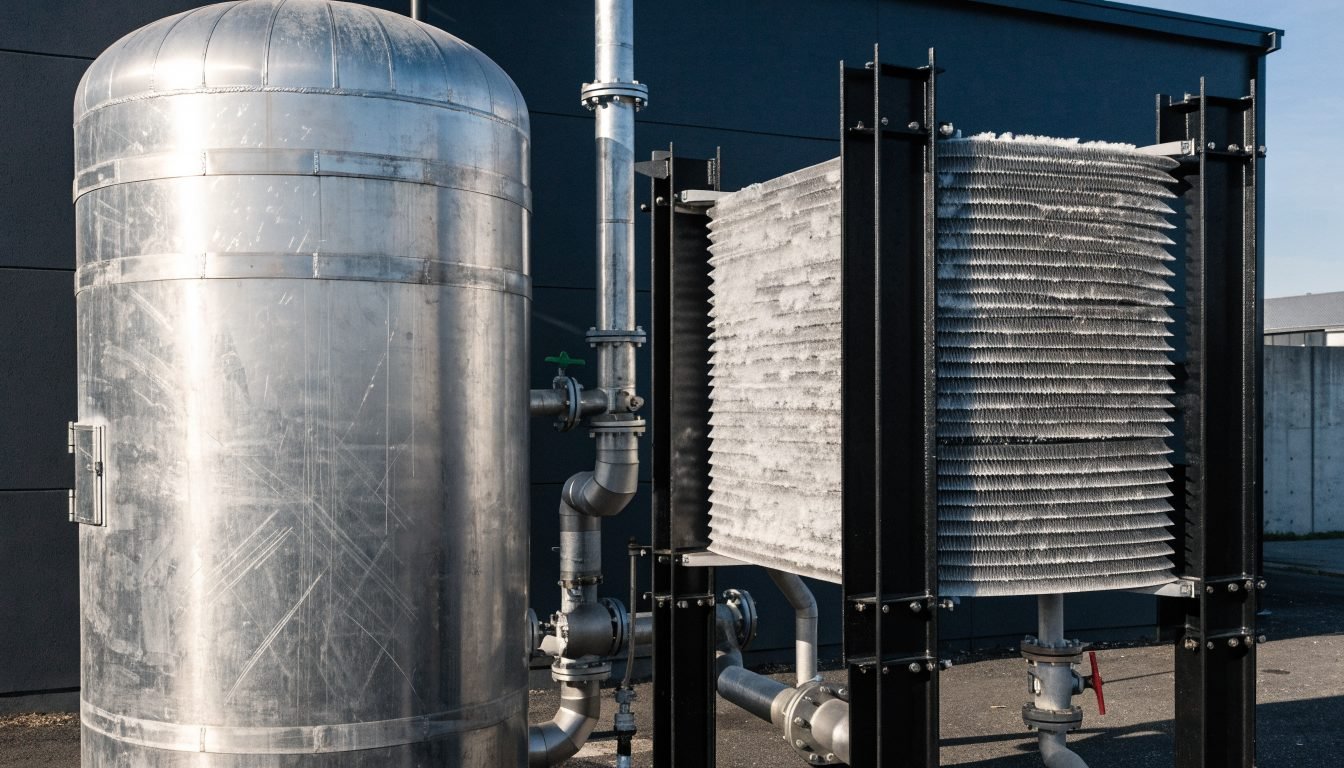
Pressure Building Coil and Economizer: How Tank Pressure Is Controlled
How the pressure building coil and economizer control cryogenic tank pressure, how each circuit works, and the symptoms when either one stops working.
14 min read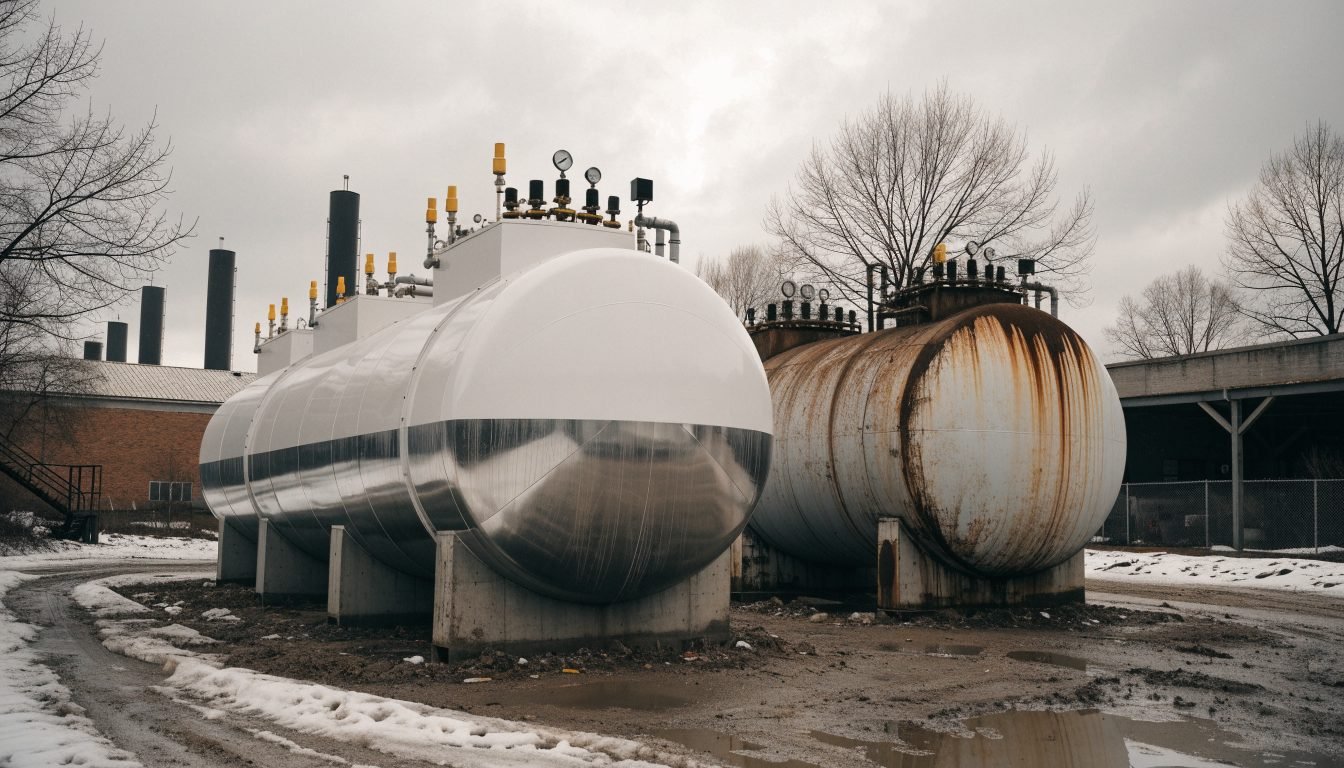
Refurbished vs As-Is Cryogenic Equipment: What the Grades Mean
Learn what refurbished cryogenic tank grades mean: as-is, certified operational, standard and premium refurbished, and how to read a listing.
5 min read
How to Sell or Trade In Your Used Cryogenic Equipment
Learn how to sell used cryogenic equipment or trade it in, which condition and documents raise value, and how trade-in credit applies to a new order.
6 min read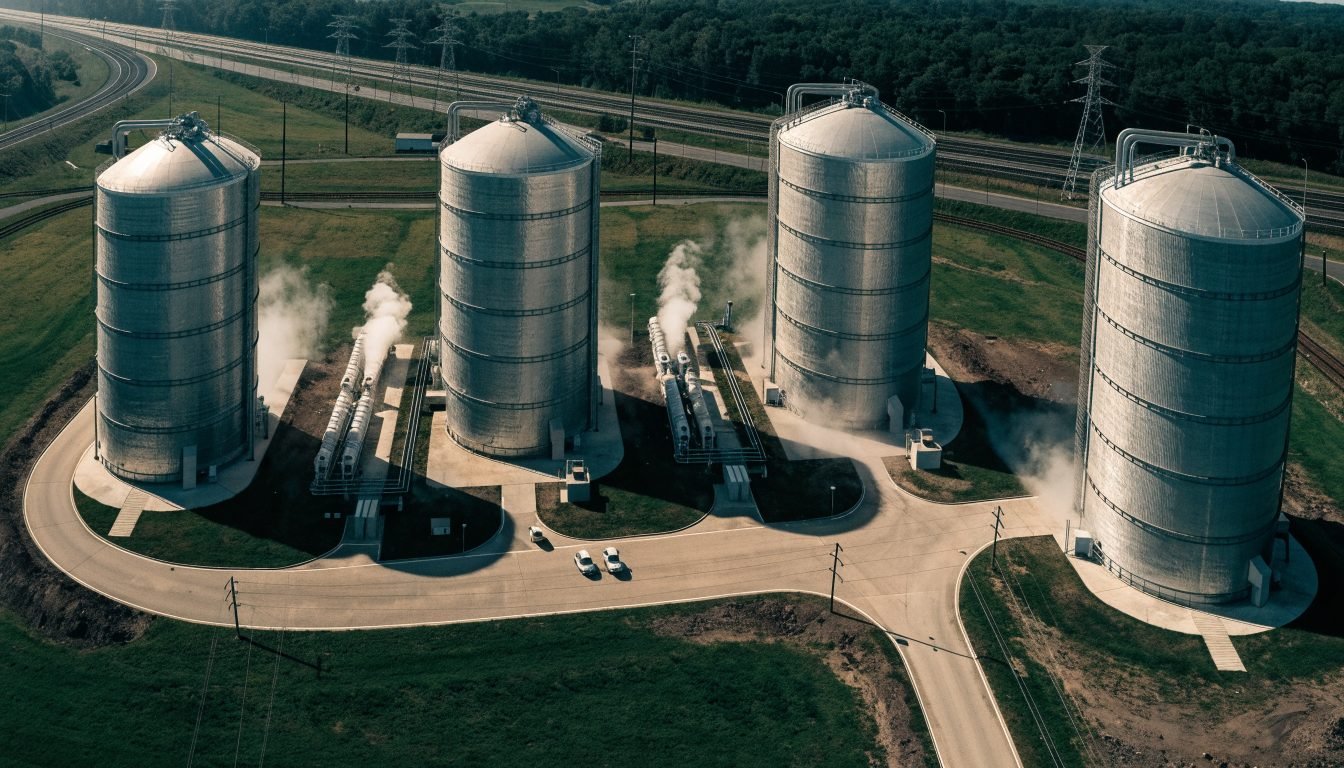
Tank Farm Layout: Planning a Site with Multiple Cryogenic Tanks
Plan a cryogenic tank farm layout: product grouping, oxygen separation, tanker access, manifolding, vaporizer placement and drainage. Get a site review.
12 min read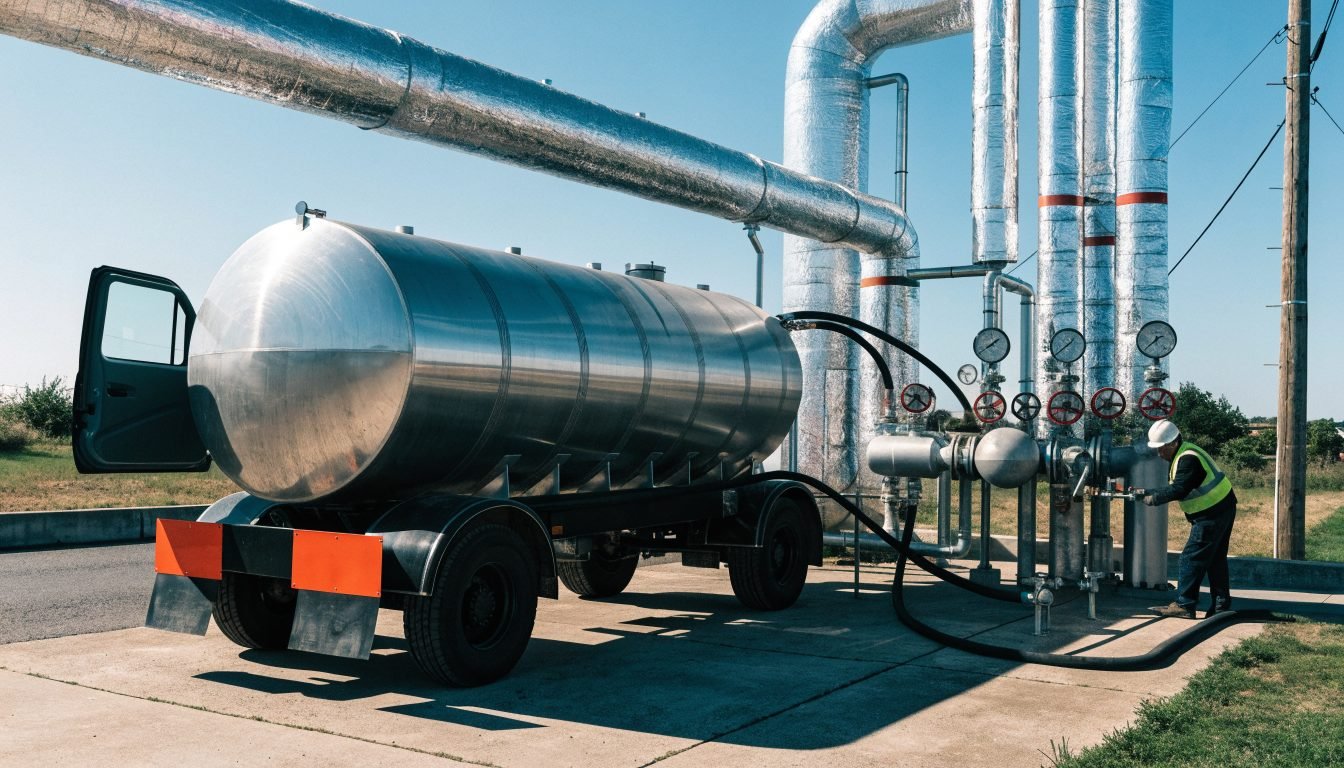
Transporting Cryogenic Liquids: Driver, Vehicle and Documentation Requirements
ADR requirements for transporting cryogenic liquids: driver certificate, orange plates, transport documents, on board equipment and tank inspection validity.
12 min read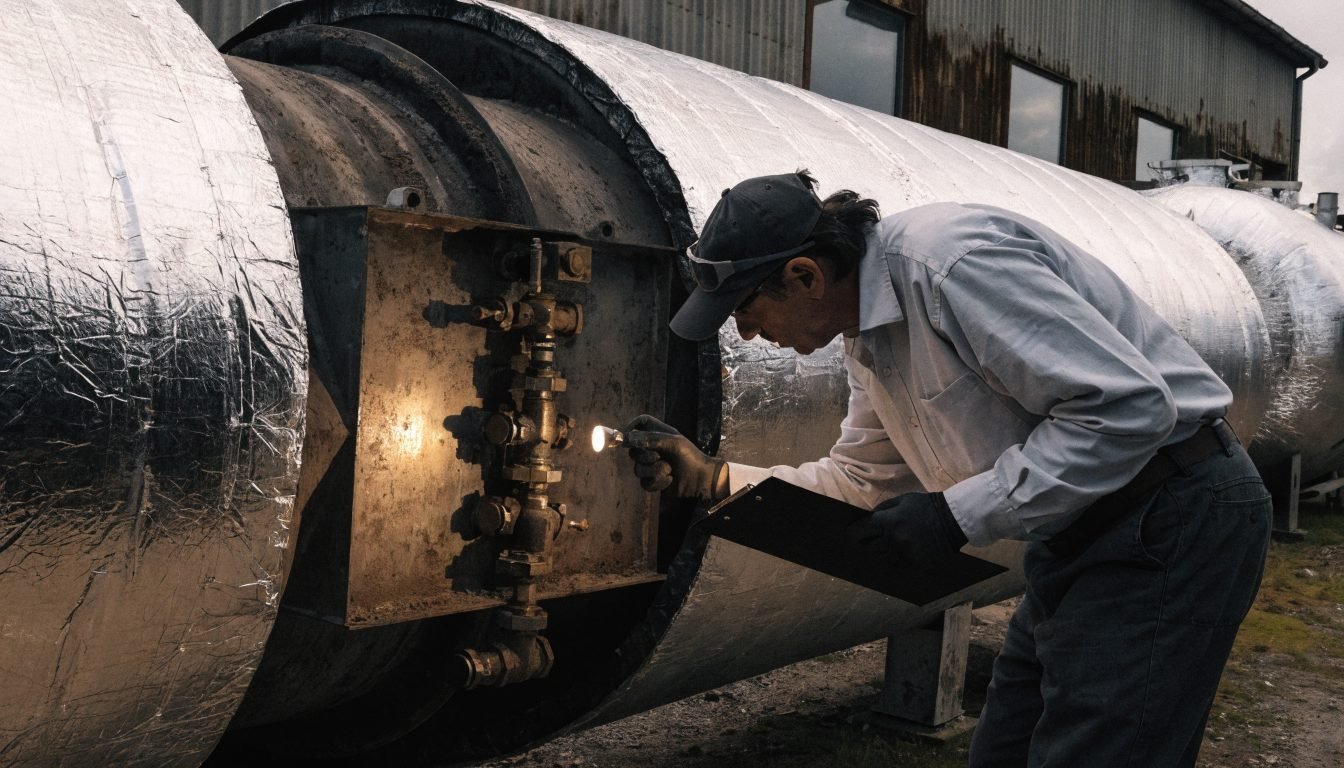
Is a Used Cryogenic Tank Safe to Buy? A Pre-Purchase Checklist
A used cryogenic tank is safe when it passes inspection, NDT, and vacuum and pressure testing. Use this pre-purchase checklist before you buy.
6 min read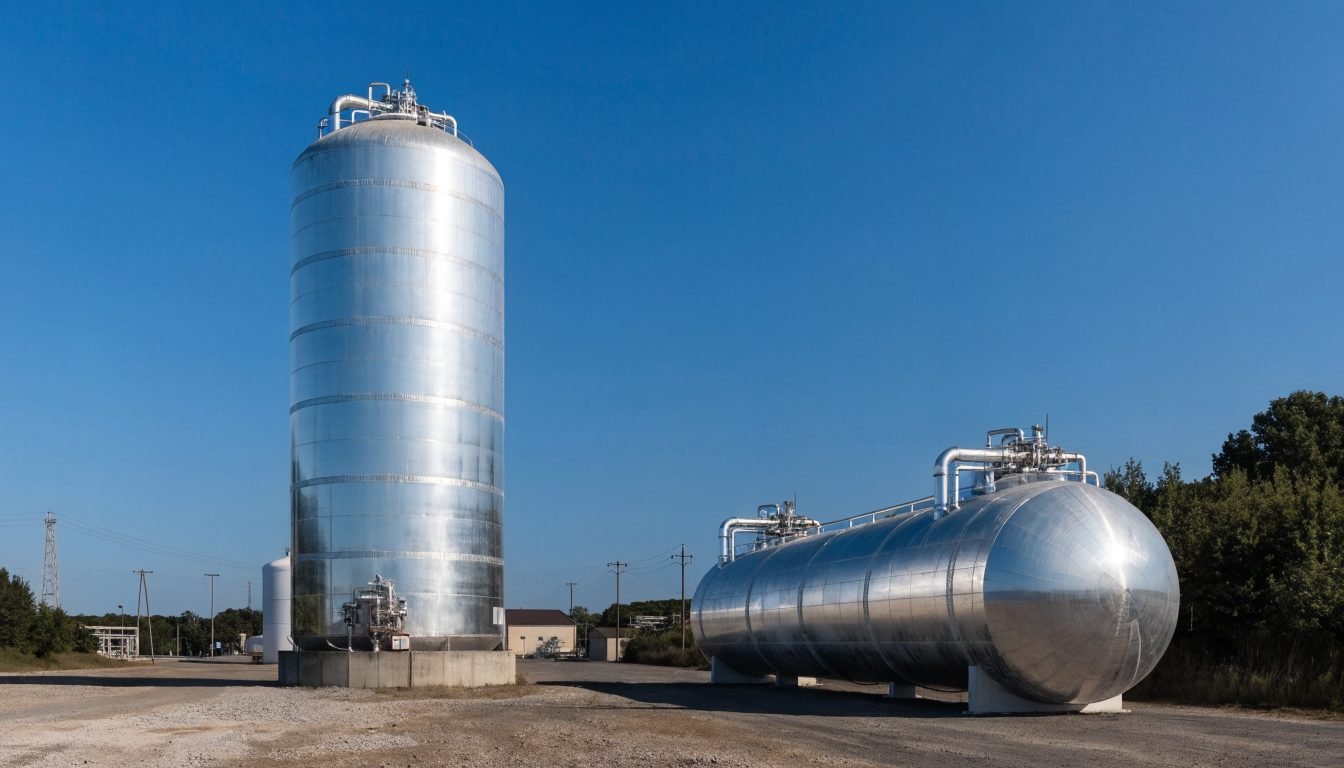
Vertical vs Horizontal Cryogenic Tank: Which to Choose
Vertical vs horizontal cryogenic tank compared on footprint, capacity, installation, cost and use cases. A practical guide to choosing the right orientation.
7 min read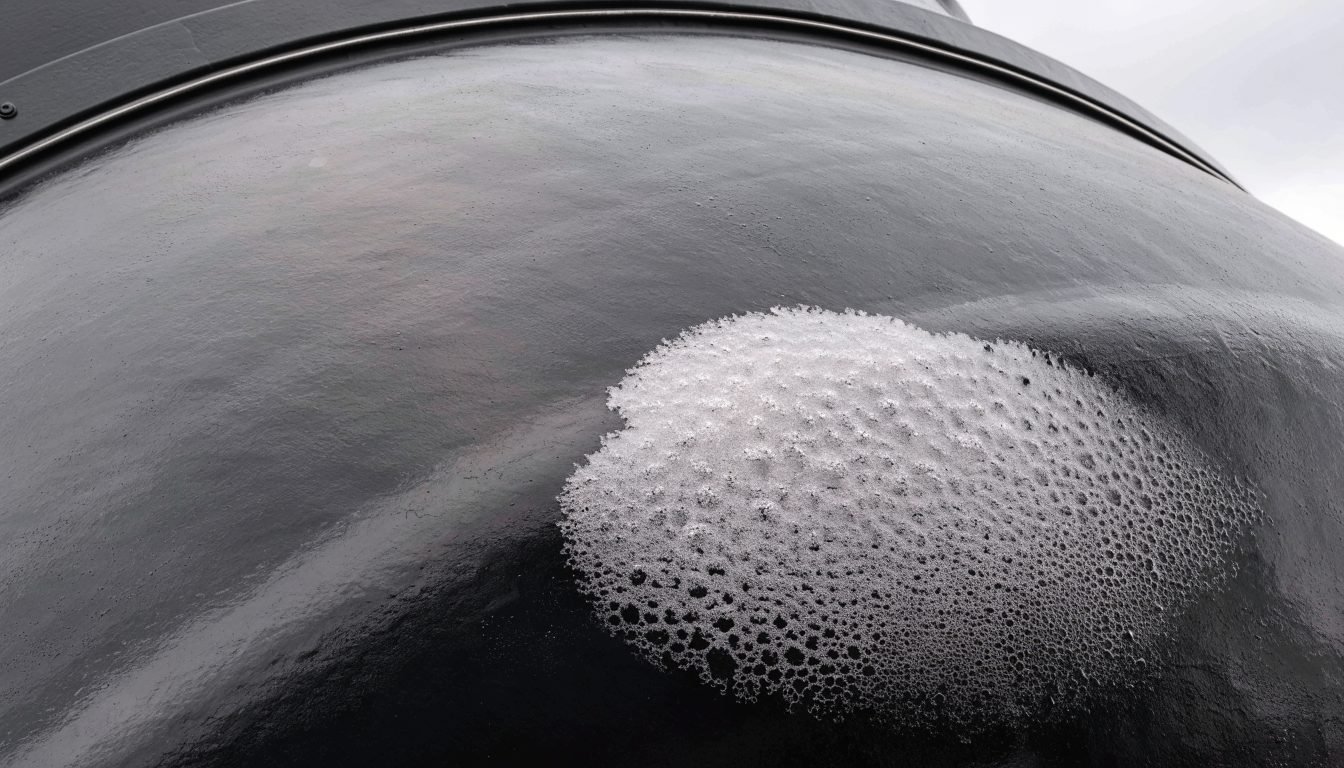
What Is Vacuum Loss in a Cryogenic Tank and How to Detect It
What is vacuum loss in a cryogenic tank? Learn the symptoms, how it is measured, and how to restore vacuum. Practical detection guide from KAF Cryogenics.
6 min read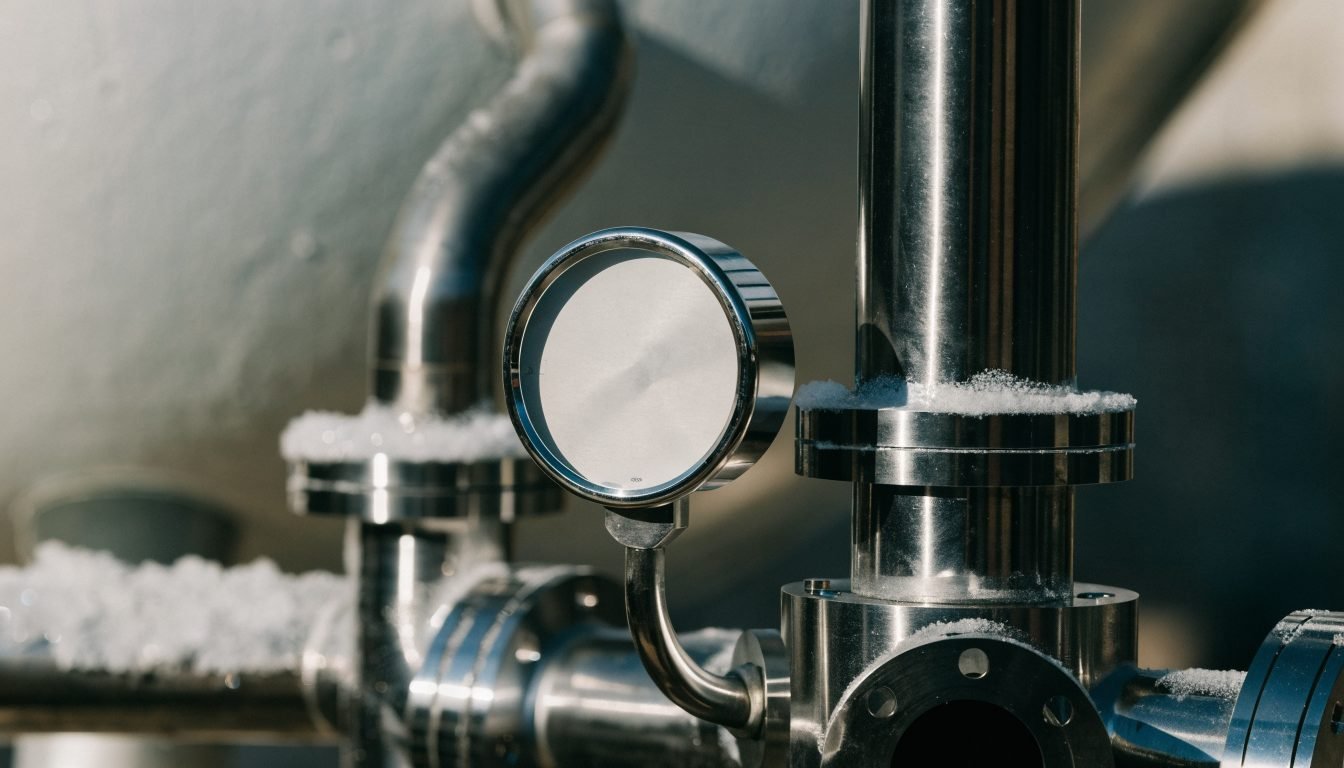
Why Pressure Rises in a Cryogenic Tank
Cryogenic tank pressure rise is caused by heat ingress and boil-off. Learn normal pressure cycling, the role of coils, and when rising pressure signals.
8 min read