The Role of Cryogenics in the Hydrogen Economy: Storage and Transportation Challenges
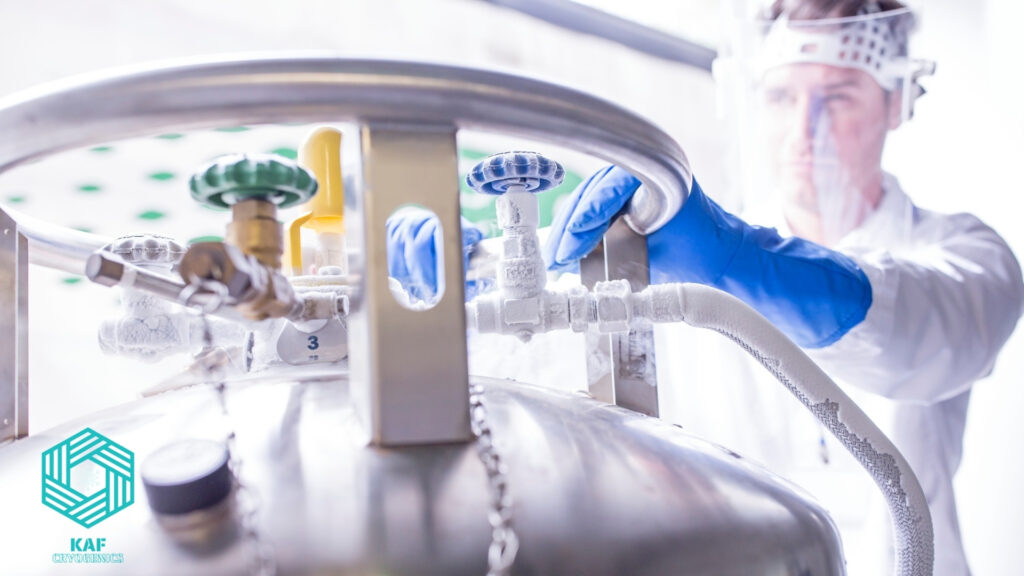
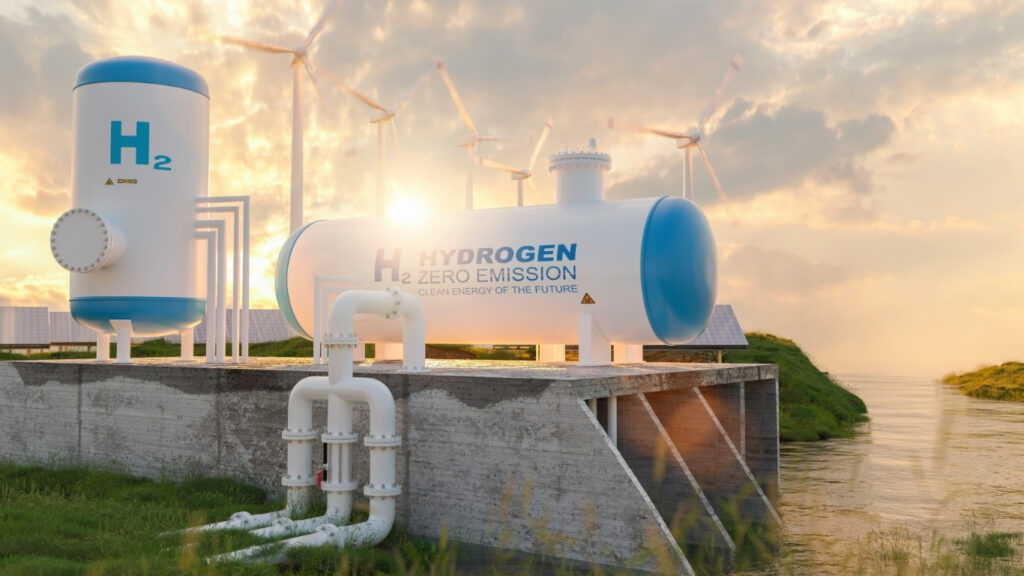
The global shift toward cleaner energy solutions has placed hydrogen at the forefront of sustainable alternatives to fossil fuels. As industries invest in hydrogen production and utilization, efficient storage and transportation remain significant challenges. Cryogenic technology plays a critical role in ensuring the safe and efficient handling of liquid hydrogen (LH2), a key component of the hydrogen economy. KAF Cryogenics is dedicated to developing state-of-the-art cryogenic storage tanks and systems that support the growing hydrogen supply chain.
The Growing Demand for Hydrogen in the Clean Energy Transition
Hydrogen is increasingly seen as a versatile energy carrier that can be used in various applications, including transportation, industrial processes, and power generation. Its advantages include:
- Zero Emissions: Hydrogen fuel cells produce only water as a byproduct, making them a clean energy source.
- High Energy Density: Hydrogen has a superior energy-to-weight ratio compared to batteries, making it ideal for heavy-duty transport and aviation.
- Renewable Potential: Hydrogen can be produced from renewable sources via electrolysis, reducing reliance on fossil fuels.
However, for hydrogen to be widely adopted, effective storage and transportation solutions are necessary. Cryogenic technology provides an optimal method for handling hydrogen in its liquid state, allowing for greater efficiency and safety.
Why Cryogenic Storage is Essential for Liquid Hydrogen
Hydrogen exists as a gas at standard conditions, requiring either compression or liquefaction to store and transport efficiently. Liquefying hydrogen at -253°C (-423°F) significantly reduces its volume, making it easier to transport over long distances. Cryogenic storage is crucial for several reasons:
- Density Reduction: Liquid hydrogen occupies about 1/800th of its gaseous volume, enabling large-scale storage and transportation.
- Minimization of Energy Losses: Cryogenic insulation reduces heat ingress, preventing excessive boil-off losses.
- Safety Enhancement: Properly designed cryogenic storage systems minimize the risk of leaks and explosions associated with compressed hydrogen.
Challenges in Hydrogen Storage and Transportation
Despite its advantages, liquid hydrogen storage presents several technical challenges that must be addressed:
1. Hydrogen Boil-Off and Evaporation Losses
- Due to hydrogen’s extremely low boiling point, even small amounts of heat ingress can cause vaporization.
- Advanced multilayer insulation (MLI) and vacuum-jacketed tanks are necessary to minimize heat transfer and prevent excessive boil-off.
2. Material Compatibility and Brittleness
- At cryogenic temperatures, materials such as metals and seals can become brittle, leading to structural failure.
- KAF Cryogenics employs high-performance alloys and specialized coatings to ensure long-term durability.
3. Hydrogen Leakage and Permeability
- Hydrogen molecules are extremely small, making them prone to leakage through microcracks in storage tanks.
- Advanced sealing techniques and double-walled containment systems reduce the risk of leaks and improve safety.
4. Transportation Infrastructure Limitations
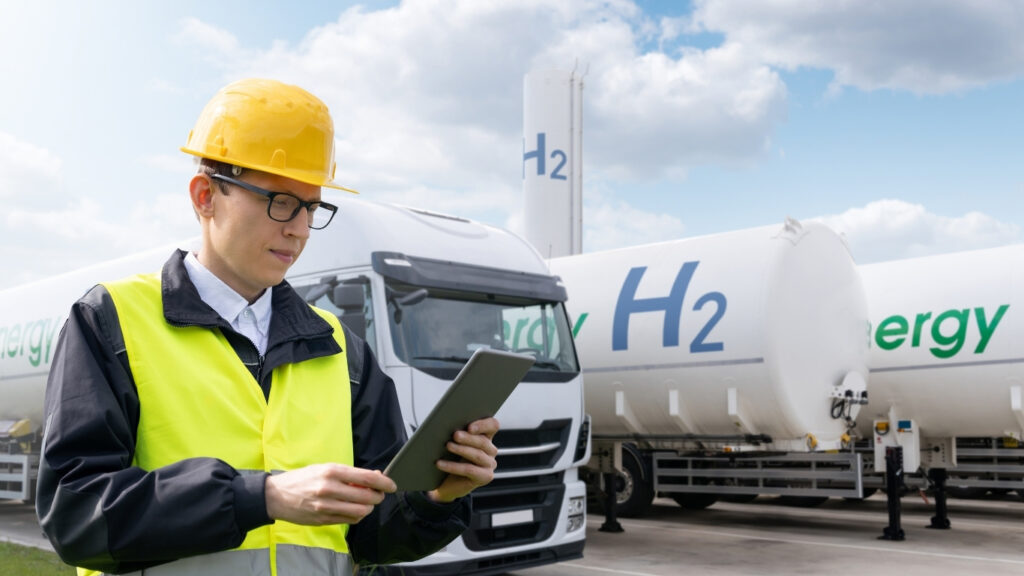
- Liquid hydrogen must be stored at cryogenic temperatures throughout transportation, requiring specialized LH2 tanker trucks, pipelines, and refueling stations.
- KAF Cryogenics develops robust cryogenic transport vessels designed for efficiency and minimal energy loss.
KAF Cryogenics: Advancing Hydrogen Storage Solutions
KAF Cryogenics is at the forefront of cryogenic hydrogen storage technology, ensuring efficiency, safety, and sustainability. Our innovative solutions include:
1. High-Efficiency Cryogenic Storage Tanks
- Engineered with vacuum insulation technology to minimize heat ingress and extend hydrogen storage duration.
- Designed for both stationary and mobile applications, supporting refueling stations and transportation hubs.
2. Advanced Cryogenic Transport Systems
- Development of customized LH2 tankers for safe and efficient transportation.
- Integration of real-time temperature monitoring and pressure management systems to optimize hydrogen delivery.
3. Smart Hydrogen Storage Solutions
- IoT-enabled monitoring for remote diagnostics and predictive maintenance.
- Automated safety features to prevent leaks, pressure build-up, and thermal stress failures.
The Future of Cryogenic Hydrogen Storage
As hydrogen adoption accelerates, cryogenic storage technology will continue to evolve. Future advancements will focus on:
- Improved Insulation Materials: Research into next-generation aerogels and nanomaterials to enhance thermal resistance.
- Automated Cryogenic Refueling Stations: Deployment of self-sustaining hydrogen refueling stations for widespread adoption.
- Hydrogen Pipeline Infrastructure: Expansion of cryogenic pipelines to enable direct hydrogen transportation to industries and power plants.
- Integration with Renewable Energy: Seamless connection between hydrogen production, storage, and distribution systems.
The hydrogen economy depends on reliable and efficient cryogenic storage solutions. KAF Cryogenics is dedicated to overcoming storage and transportation challenges by developing innovative, high-performance cryogenic tanks and transport systems. As the global demand for hydrogen grows, our cutting-edge technology will continue to drive the clean energy revolution forward.