
Choosing ASME or PED by Export Market: A Practical Guide
Choose ASME or PED by export market. Practical guidance for Europe, the Middle East, North Africa, and Central Asia so you order the right certification.
KAF Cryogenics6 min read
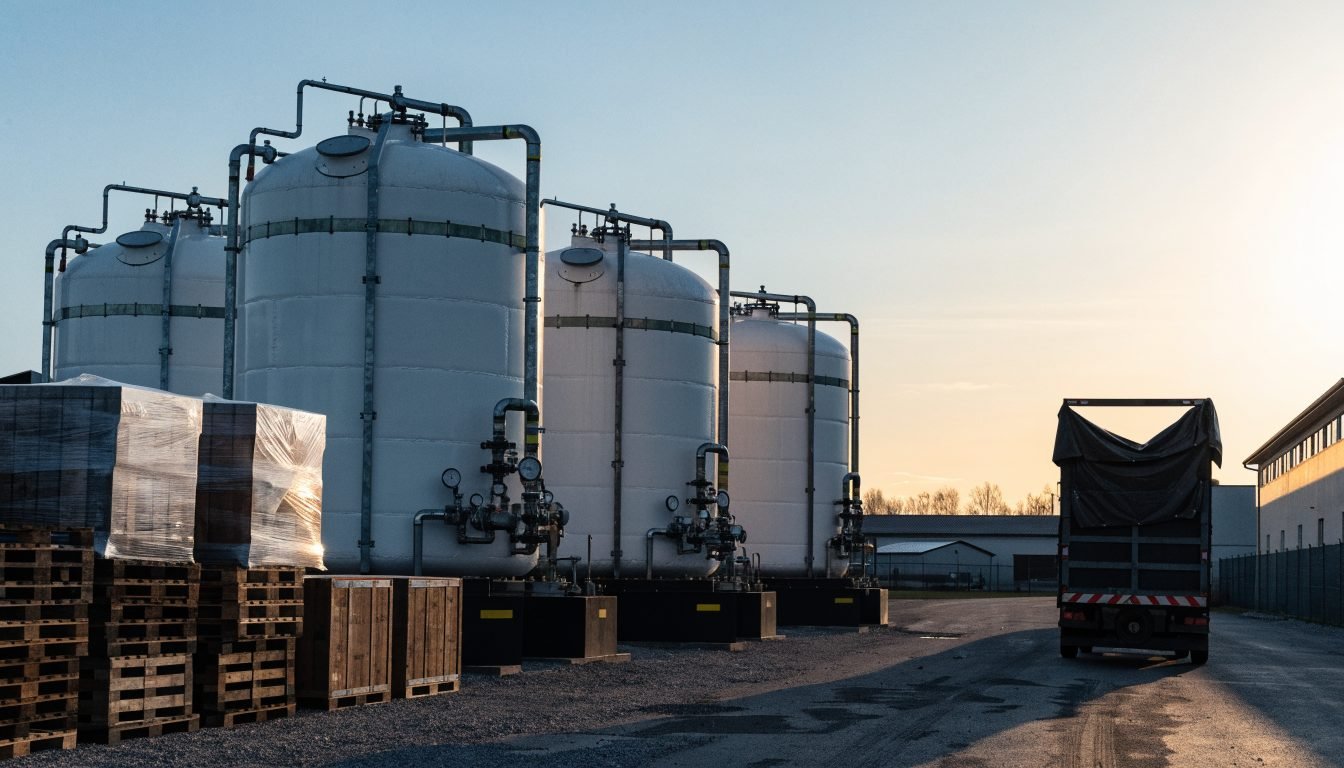
Whether you need ASME or PED depends on the export market, not on the quality of the tank. PED 2014/68/EU leads to CE marking and is the European route. ASME is the United States code with Section VIII. The rule is simple: match the certification to the destination and the buyer's local acceptance.
This guide gives market-by-market direction for the regions KAF Cryogenics exports to, so project and procurement buyers avoid the costly error of ordering a tank with the wrong paperwork for where it will operate.
Because acceptance is set locally, always confirm the required code with the end user, the operator, and the local authority before you place an order.
Does ASME or PED depend on the export market?
Yes. The pressure code a cryogenic tank must carry is decided by where it will be installed and operated, and by what the local authority and operator accept. A tank built to a code the destination does not recognise can face problems at import, commissioning, insurance, or inspection, even if the tank itself is sound.
PED 2014/68/EU is the European Pressure Equipment Directive, and conformity leads to CE marking. ASME is the United States boiler and pressure vessel code, with pressure vessels built to Section VIII. Both are recognised frameworks. The question is never which is better in the abstract, only which one the destination requires.
The safest habit is to fix the certification requirement at the specification stage, in writing, from the party who will operate and insure the tank.
Which certification does Europe require?
For the European market, PED 2014/68/EU and CE marking are the standard route for pressure equipment. Cryogenic vessels also reference the European vessel standards: EN 13458 for static vacuum-insulated tanks and EN 13530 for transportable ones.
Transportable tanks that travel by road additionally fall under ADR, the European agreement on carrying dangerous goods by road, which adds approval and a periodic inspection cycle. So a European road tanker typically needs PED, EN 13530, and ADR together.
AD 2000, the German technical rules, may appear on the design and manufacturing side alongside PED for European supply.
What about the Middle East and North Africa?
Acceptance varies by country across the Middle East and North Africa, and both ASME and PED are encountered. Some buyers and operators specify ASME Section VIII, often reflecting local engineering practice or the preferences of the end user and their insurer. Others accept PED and CE marking.
Because there is no single regional rule, treat the code as project-specific. Confirm the requirement with the end user, the operating company, and the local authority before ordering. On tenders, the required code is usually stated in the specification, so read it carefully and match the certification exactly.
- Ask the end user and operator which code their site and insurer require.
- Check the tender or purchase specification for the named pressure code.
- Confirm any import or local inspection requirements at the destination.
What about Central Asia?
Central Asian markets also vary, and requirements can reflect national rules as well as the preferences of the operator and their insurer. Both ASME and PED are seen in practice, and some projects reference additional local pressure equipment rules.
The approach is the same as elsewhere: do not assume a code. Establish, in writing, which certification the destination operator and authority accept, and order to that. Where a project involves road transport, factor in the transport rules that apply in the country of operation.
What happens if you order the wrong certification?
Ordering the wrong code is an avoidable and expensive mistake. A tank certified to a framework the destination does not accept can run into the following.
- Delays or refusal at import or customs.
- Problems at commissioning if the local authority requires a different code.
- Insurance difficulties for the operator.
- The need to re-certify, which may not be straightforward after the fact.
- Lost time on a project where a tank was otherwise ready.
The cost of getting the paperwork right at the specification stage is far lower than the cost of correcting it after fabrication. This is why the destination code should be confirmed before an order is placed, not after.
How do you confirm the right code before ordering?
A short verification routine removes most of the risk. Work through it before you commit to a build or a stock unit.
- Identify who will operate and insure the tank, and ask them which code their site requires.
- Read the project or tender specification and note the named pressure code.
- Confirm the destination country's import and local inspection requirements.
- For transportable tanks, confirm the applicable transport rules, such as ADR in Europe.
- Fix the requirement in writing before the order, and keep it in the project file.
Building this into procurement means the certification, the destination, and the operator's acceptance all line up before any metal is cut. Lead time also matters here, since a certified used unit from stock can be a faster route when a project timeline is tight.
How KAF supports both codes across export markets
KAF Cryogenics is an Istanbul-based manufacturer and trader of cryogenic and pressurised gas equipment, exporting to Turkey, Europe, the Middle East, North Africa, and Central Asia. KAF builds new tanks certified to PED or ASME so the code can be matched to the destination market.
KAF supplies through two channels: new units built to specification, and certified second-hand units that pass inspection, NDT, and vacuum and pressure testing and come with a document dossier and a written warranty. Certified used units can ship from stock in weeks, while new fabrication typically takes months.
Because KAF works across these regions, the certification can be discussed alongside the destination and the operator's requirements at the quotation stage, before an order is fixed.
Frequently Asked Questions
Do I choose ASME or PED based on the export market?
Yes. The required pressure code is set by where the tank will operate and by what the local authority and operator accept, not by which code is better. PED 2014/68/EU with CE marking is the European route, and ASME Section VIII is the United States code. Confirm the requirement with the destination before ordering.
Which code does Europe require for cryogenic tanks?
The European route is PED 2014/68/EU with CE marking, alongside EN 13458 for static vessels or EN 13530 for transportable ones. Road tankers additionally fall under ADR. A European road tanker typically needs PED, EN 13530, and ADR together.
Is ASME accepted in the Middle East?
It varies by country. Both ASME and PED are encountered across the Middle East and North Africa, and the requirement is usually set by the end user, the operator, their insurer, and the tender specification. Confirm the required code for the specific project before ordering.
What happens if I order the wrong certification?
A tank certified to a code the destination does not accept can face delays at import, problems at commissioning, insurance difficulties, or a need to re-certify. Correcting paperwork after fabrication is far more costly than fixing the requirement at the specification stage.
Can one tank be certified to both ASME and PED?
The certification approach depends on the design and the codes involved, and it is a project decision. The practical goal is to match the certification to the destination market and the operator's acceptance. Discuss the requirement with your supplier before the order is placed.
Does KAF build to both ASME and PED?
Yes. KAF builds new tanks certified to PED or ASME so the code can be matched to the destination market, and exports to Turkey, Europe, the Middle East, North Africa, and Central Asia. Certified second-hand units come with a document dossier and written warranty.
Related reading
Ordering for a specific export market?
KAF Cryogenics builds new tanks certified to PED or ASME and supplies certified second-hand units with a full document dossier and written warranty. Tell us your destination market and application and we will confirm the right certification and quote suitable units.
Request a quote