
What Certifications Should a Cryogenic Tank Have?
Which cryogenic tank certifications matter: PED 2014/68/EU, ASME, EN 13458, EN 13530, AD 2000, ISO 9001, ISO 14001, ISO 3834-2, and the file to demand.
KAF Cryogenics6 min read
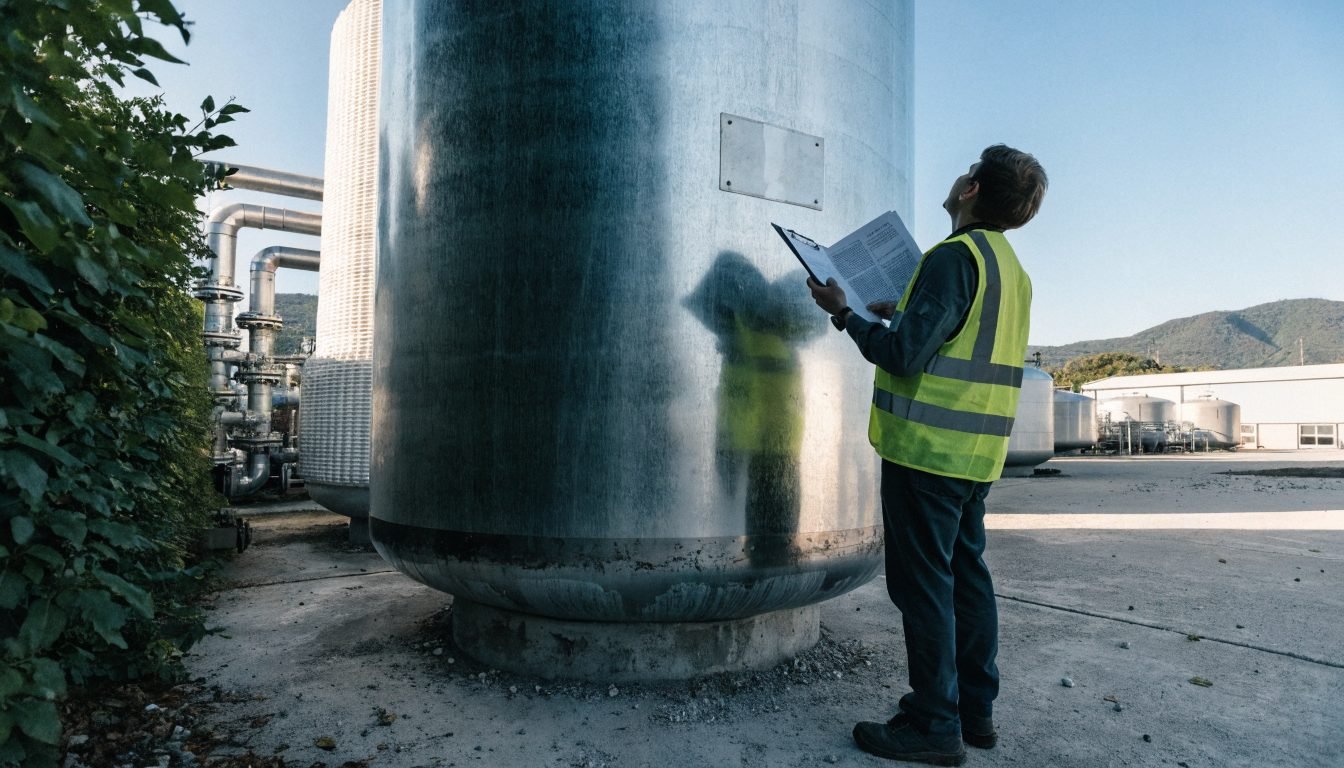
A cryogenic tank should carry the certifications that prove its pressure design, its build quality, and the competence of the maker. The core set is PED 2014/68/EU or ASME for the pressure vessel, EN 13458 or EN 13530 for the vessel type, and ISO 9001 and ISO 3834-2 for the quality and welding systems behind it.
This guide explains what each certification proves, how they fit together, and why buyers should ask for the full document file rather than a single logo. It is written for procurement and project buyers who need to order the right paperwork the first time.
The correct pressure code depends on the destination market, not on quality, so the goal is a matched set of documents for where the tank will operate.
Why do cryogenic tank certifications matter?
A cryogenic tank holds liquefied gas at very low temperature and under pressure. Certifications are how a buyer verifies, without dismantling the tank, that it was designed, built, and tested to a recognised standard. They also decide whether the tank can legally operate and be insured in a given market.
For low-temperature service, material behaviour is central. Below about minus 150 degrees Celsius, unsuitable steels can fail by brittle fracture, so the standards require impact (Charpy V-notch) testing of materials. A certificate is the record that this and other checks were done.
Certifications also carry weight in procurement and audits. A complete file supports the tank through its life, from commissioning to periodic inspection and eventual resale.
What is the difference between PED and ASME?
PED and ASME are the two dominant pressure-vessel frameworks, and they map to different markets.
- PED 2014/68/EU is the European Pressure Equipment Directive. Conformity leads to CE marking and is the route for the European market.
- ASME is the United States code, with pressure vessels built to Section VIII. It is the common route for markets that follow ASME.
The right one depends on where the tank will operate, not on which is better. A tank destined for Europe needs the PED and CE route, while a market that specifies ASME needs a Section VIII stamp. KAF builds to both codes so the certification can be matched to the destination. For a full comparison, see our ASME versus PED guide.
What do EN 13458 and EN 13530 cover?
These European standards define how cryogenic vessels are designed and built, split by whether the vessel is fixed or mobile.
- EN 13458 covers static vacuum-insulated cryogenic vessels, the stationary storage tanks on a plant or customer site.
- EN 13530 covers transportable vacuum-insulated cryogenic vessels, the mobile tanks used on trailers and containers.
Both describe vacuum-insulated construction, with an inner vessel inside an outer jacket. They work alongside PED on the pressure side, and for transportable tanks EN 13530 sits with ADR on the road-transport side. Our EN 13458 and EN 13530 explainer goes into detail.
What is AD 2000?
AD 2000 is a German set of technical rules for pressure vessels. It is used as a design and manufacturing code and can support conformity within the European framework alongside PED.
For a buyer, seeing AD 2000 referenced indicates the design calculations and construction follow that established rule set. It is a build-side reference rather than a market-access mark on its own, and it commonly appears together with PED documentation for European supply.
Which ISO certifications should the manufacturer hold?
Some certifications sit on the tank, and some sit on the company that made it. The ISO management and welding certifications describe how the maker works.
- ISO 9001 is the quality management system standard. It shows the manufacturer runs controlled, repeatable processes.
- ISO 14001 is the environmental management system standard.
- ISO 3834-2 covers comprehensive quality requirements for fusion welding of metallic materials. Welding is critical in a cryogenic pressure vessel, so this certification is a meaningful signal for buyers.
A tank certificate proves the individual vessel. The ISO certifications prove the system that produced it. Both are worth asking for. KAF holds ISO 9001, ISO 14001, and ISO 3834-2.
What documents should be in the certification file?
Certification is only as good as the paperwork that comes with it. Whether the tank is new or certified second-hand, ask for a file that lets you and any inspection body trace the design, build, and testing.
- The pressure vessel certificate for the applicable code, PED with CE marking or ASME Section VIII.
- The declaration of conformity and the data or nameplate details.
- Material certificates, including evidence of impact (Charpy V-notch) testing for low-temperature service.
- Welding and NDT (non-destructive testing) records.
- Pressure test and, for vacuum-insulated tanks, vacuum test records.
- Safety device documentation for relief valves and, where fitted, bursting discs.
- For transportable tanks, the EN 13530 and ADR records with inspection dates.
If a document is missing, ask why before you buy. A complete file supports commissioning, insurance, periodic inspection, and later resale.
How do certifications work on used cryogenic tanks?
A used tank keeps its original build certifications, but a buyer also needs current evidence that it is still sound. That is the gap a proper certified second-hand process fills.
KAF Cryogenics supplies through two channels: new units built to specification, and certified second-hand units. Used units pass inspection, NDT, and vacuum and pressure testing, and are sold with a document dossier and a written warranty. That combines the original certification with current test evidence.
This also affects timing. Certified used units can ship from stock in weeks, while new fabrication typically takes months. KAF builds new tanks certified to PED or ASME as the destination requires, and also buys used equipment and accepts trade-in against new orders.
Frequently Asked Questions
What certifications should a cryogenic tank have?
The core set is a pressure vessel certificate under PED 2014/68/EU or ASME, the relevant vessel standard EN 13458 for static or EN 13530 for transportable tanks, and manufacturer systems such as ISO 9001 and ISO 3834-2 for welding. AD 2000 and ISO 14001 may also appear. Ask for the full file, not a single logo.
Is PED better than ASME?
Neither is better in quality terms. PED 2014/68/EU is the European route leading to CE marking, and ASME is the United States code with Section VIII. The correct one depends on where the tank will operate. KAF builds to both codes.
What does ISO 3834-2 prove?
ISO 3834-2 covers comprehensive quality requirements for fusion welding of metallic materials. Because welding integrity is central to a cryogenic pressure vessel, this certification is a meaningful signal that the manufacturer controls its welding processes.
Why does low-temperature service need impact testing?
Below about minus 150 degrees Celsius, unsuitable steels can fail by brittle fracture. Standards require impact (Charpy V-notch) testing of materials to confirm they stay tough at cryogenic temperature. The material certificates in the file should show this testing.
What is the difference between EN 13458 and EN 13530?
EN 13458 covers static vacuum-insulated cryogenic vessels, the stationary storage tanks on a site. EN 13530 covers transportable vacuum-insulated cryogenic vessels used on trailers and containers. Both describe vacuum-insulated construction and work alongside PED.
Do used cryogenic tanks come with certifications?
A used tank keeps its original build certifications, but a buyer also needs current test evidence. KAF certified second-hand units pass inspection, NDT, and vacuum and pressure testing, and are sold with a document dossier and a written warranty.
Related reading
Want a tank with the right certifications for your market?
KAF Cryogenics builds new tanks certified to PED or ASME and supplies certified second-hand units with a full document dossier and written warranty. Tell us your gas, capacity, and destination market and we will quote the matched certification.
Request a quote