
How to Choose a Cryogenic Equipment Supplier: A Checklist
A checklist for choosing a cryogenic tank supplier: certifications, testing, documentation and warranty on used units, lead time, trade-in, and export reach.
KAF Cryogenics5 min read
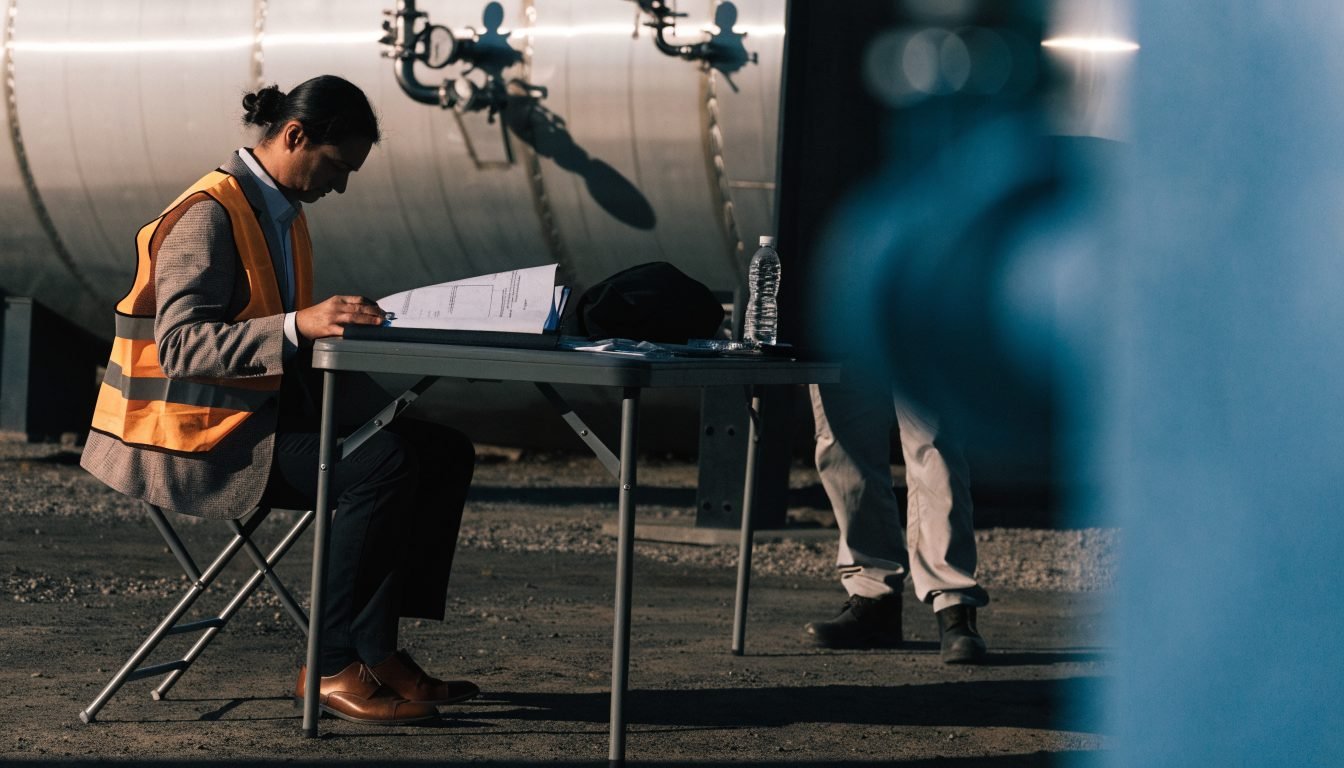
Choose a cryogenic tank supplier by verifying the certifications they hold, the testing they perform, the documentation and warranty they provide on used units, their lead time and stock position, their trade-in options, and their export experience. A supplier who can evidence each point is one you can hold to a specification and a date.
The vessel matters, but so does the party standing behind it. Cryogenic equipment operates under pressure at very low temperature and under certification codes, so the supplier's ability to prove, test, and document is part of what you are buying.
This checklist walks through what to ask a cryogenic equipment supplier and why each answer matters, so you can compare offers on substance rather than on headline claims.
What certifications should a cryogenic equipment supplier hold?
Certifications are the baseline proof that a supplier builds and documents to recognized codes. Ask which they hold and ask to see the evidence, not just a claim.
- PED 2014/68/EU with CE marking for the European market and ASME (US, Section VIII) where the destination requires the US code.
- EN 13458 for static cryogenic vessels and EN 13530 for transportable ones.
- AD 2000 as an additional pressure-vessel reference where relevant.
- ISO 9001 for quality management and ISO 14001 for environmental management.
- ISO 3834-2 for welding quality, which underpins the integrity of a cryogenic vessel.
KAF Cryogenics holds these certifications. The correct pressure code for your project depends on the destination market, not on quality, so a capable supplier can build to both ASME and PED.
Can the supplier test what they sell?
Testing capability separates a supplier who can prove a vessel's condition from one who only forwards it. This matters most on used equipment, where condition is not a given.
- NDT (non-destructive testing) of the inner vessel and piping.
- Vacuum testing to confirm the insulation is intact.
- Pressure testing to confirm the vessel is sound.
- Valve and relief device checks or overhaul.
- Recorded vacuum readings, since a vacuum check is recommended every 6 to 12 months on a working tank.
KAF inspects, NDT tests, and vacuum and pressure tests its certified second-hand units before sale, so the condition is verified rather than assumed.
What documentation and warranty come with used equipment?
On used equipment, the paperwork is as important as the steel. A complete file lets you accept the unit on site and operate it under its code.
- A document dossier covering certification, test records, and inspection dates.
- A written warranty on the unit.
- Service history where available.
- For road units, a valid ADR inspection date and a clear next-inspection date.
KAF sells certified second-hand equipment with a document dossier and a written warranty. Ask any supplier for the same before committing, and treat a missing file as a reason to pause.
How fast can the supplier deliver?
Lead time is a practical, comparable measure. Ask for the stock position and the realistic fabrication window on the same call.
- New fabrication to specification commonly takes months.
- A certified second-hand unit from stock can ship in weeks.
- A supplier who holds stock can bridge a fixed deadline that a fabrication cycle would miss.
KAF can deliver certified used equipment from stock in weeks, while the industry norm for new fabrication is months. When your project has a fixed start date, that stock position can be decisive.
Does the supplier buy back or accept trade-in?
A supplier who also buys used equipment and accepts trade-in gives you flexibility across the life of your fleet, not just at the moment of purchase.
- Trade-in credit on a new order can offset the cost of the next unit.
- A buy-back route turns idle equipment into value instead of a stranded asset.
- A supplier active on both sides of the market tends to understand real condition and fair valuation.
KAF buys used equipment and accepts trade-in on new orders, so an idle unit can reduce the cost of your next purchase.
Does the supplier have export experience for your market?
Export experience matters because the certification, documentation, and transport differ by destination. A supplier who ships to your region will match the code and paperwork to it.
- Familiarity with the certification a market expects, so you do not order the wrong code.
- Experience with the transport mode, whether road, sea, or rail and ISO tank containers.
- Documentation prepared for cross-border acceptance.
KAF exports to Turkey, Europe, the Middle East, North Africa, and Central Asia, and builds to both ASME and PED, which lets it match the certification to the destination market.
What questions should you ask before you commit?
A short, direct set of questions surfaces the substance quickly and lets you compare suppliers fairly.
- Which certifications do you hold, and can I see them?
- What testing do you perform on used units, and can I see the records?
- What documentation and warranty come with the unit?
- What is your stock position, and what is the fabrication lead time?
- Do you accept trade-in and buy used equipment?
- Have you supplied to my market, and which certification code fits it?
- Can you quote a new build and a certified used option on the same specification?
A supplier who answers these clearly and backs them with documents is one you can plan a project around. KAF is set up to answer all of them on a single enquiry.
Frequently Asked Questions
What certifications should a cryogenic equipment supplier have?
Look for PED 2014/68/EU with CE marking or ASME depending on the market, EN 13458 and EN 13530 for static and transportable vessels, AD 2000 where relevant, ISO 9001 and ISO 14001, and ISO 3834-2 for welding quality. Ask to see the certificates, not just a claim.
How do I know a used cryogenic tank has been properly checked?
Ask whether the supplier inspects, NDT tests, and vacuum and pressure tests the unit, and ask to see the records. A properly checked unit comes with a document dossier, recorded vacuum readings, and a written warranty. KAF completes and documents this testing before sale.
How important is lead time when choosing a supplier?
It is often decisive on time-bound projects. New fabrication commonly takes months, while a certified second-hand unit from stock can ship in weeks. A supplier who holds stock can meet a fixed start date that a fabrication cycle would miss.
Should a supplier offer trade-in or buy-back?
It is a strong sign of flexibility. A supplier who buys used equipment and accepts trade-in lets you offset the cost of a new order and turn idle equipment into value. KAF buys used equipment and accepts trade-in on new orders.
Why does export experience matter?
Certification, documentation, and transport differ by destination. A supplier experienced in your market matches the code and paperwork to it, so you do not order the wrong certification. KAF exports across Turkey, Europe, the Middle East, North Africa, and Central Asia and builds to both ASME and PED.
New or certified used: how should the supplier help me decide?
A capable supplier quotes both on the same specification and explains the trade-off between exact new-build control and faster, tested stock delivery. KAF can quote a new build and a certified used option together, with realistic lead times for each.
Related reading
Comparing cryogenic equipment suppliers?
Send your specification and destination market. KAF will share certifications, testing records, stock position, and a quote on both new and certified used, so you can decide on evidence.
Talk to KAF Cryogenics