
LCO2 Storage Tank Selection for Beverage and Industrial Use
How to select an LCO2 storage tank by capacity, pressure, refrigeration unit and use case for beverage, food, welding and industrial CO2.
KAF Cryogenics6 min read
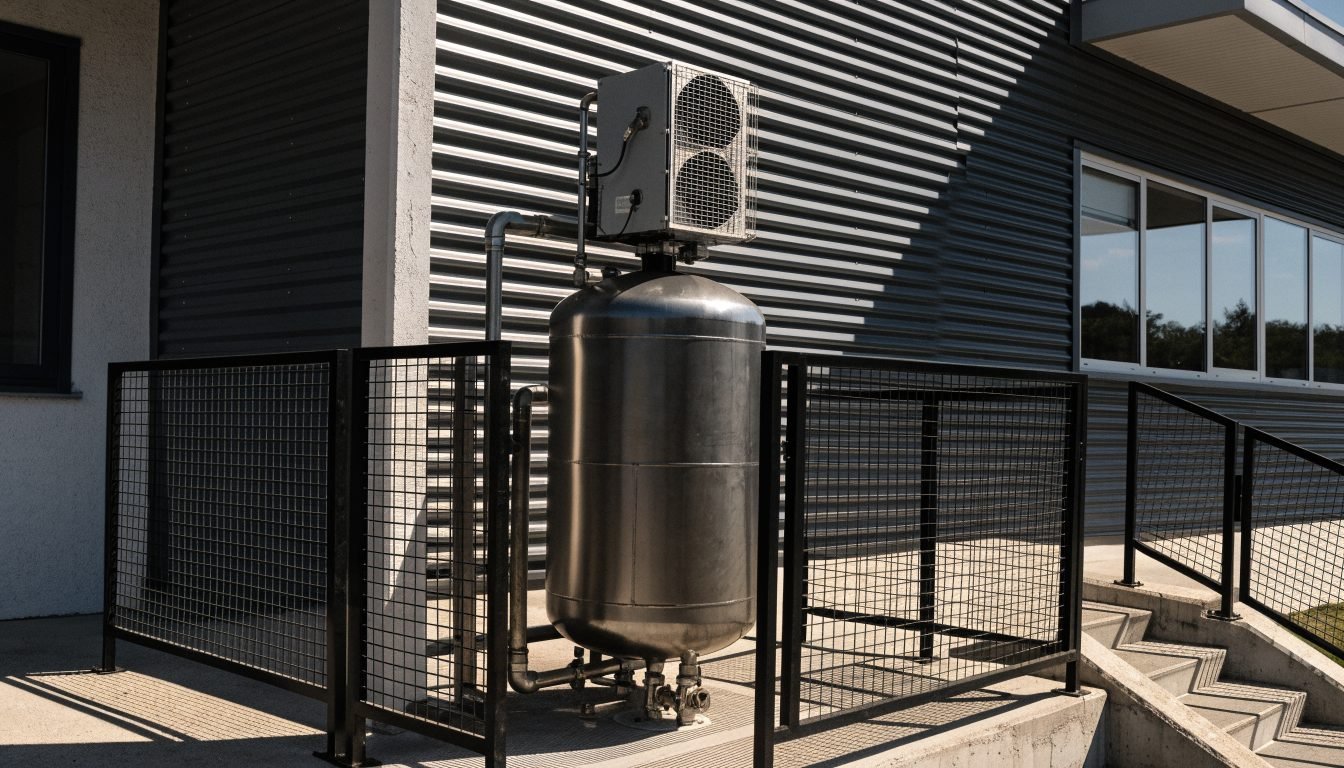
Selecting an LCO2 storage tank means matching capacity to consumption and delivery frequency, choosing a pressure class suited to your process, and specifying a refrigeration unit that holds the liquid CO2 cold enough to stay within the tank's working pressure. The right tank keeps CO2 liquid, at stable pressure, between deliveries.
Liquid CO2 differs from cryogenic liquids like nitrogen or oxygen. It is stored at moderately low temperature under pressure, and a refrigeration unit maintains those conditions, so pressure and temperature control drive the selection alongside capacity. This guide walks a buyer through the decisions for beverage, food, welding and industrial CO2.
KAF Cryogenics supplies LCO2 storage tanks new to specification and as certified second-hand units delivered from stock in weeks, with a document dossier and written warranty on used units.
What makes LCO2 storage different from other cryogenic liquids?
Liquid CO2 is stored at moderately low temperature under pressure rather than at the very low temperatures of liquid nitrogen or oxygen. Below its triple point CO2 cannot exist as a liquid, so the tank must keep the contents above that pressure and within a temperature band, and a refrigeration unit does this work.
Because of this, an LCO2 tank is defined as much by its refrigeration and pressure control as by its insulation. Key differences a buyer should understand:
- The tank operates under pressure to keep CO2 liquid, so it is a pressure vessel with a defined working pressure.
- A refrigeration unit holds the liquid cold and manages pressure rise from heat ingress.
- Temperature and pressure are linked, so control of one manages the other.
- Use patterns vary widely, from steady beverage draw to intermittent industrial demand, and this affects sizing.
How do you size an LCO2 storage tank?
Sizing follows the same core logic as other bulk gas storage: cover the volume you consume between deliveries plus a reserve, and let the tank accept a full delivery without overfilling. The inputs are what matter.
Inputs to gather
- Average daily CO2 consumption for the application.
- Delivery frequency set by your supplier and route.
- Autonomy days you want as reserve against demand peaks and delivery delays.
- Peak demand, which for some processes is far above the average.
- The usable delivery volume of the tanker that resupplies the tank.
The sizing logic
Required usable volume equals daily consumption multiplied by the sum of delivery interval and reserve days. Convert that to the tank capacity you specify, allowing for the fill limit. Confirm the tank can receive a full delivery near its reorder level. A beverage site with steady draw sizes differently from a welding gas supplier with intermittent peaks, so base the numbers on your real demand pattern.
What pressure class does an LCO2 tank need?
The working pressure must keep CO2 in the liquid phase and suit your delivery pressure to the process. LCO2 tanks operate under pressure, and the design pressure is chosen with margin above the operating band the refrigeration unit maintains.
Specify the pressure vessel code for the destination market. ASME Section VIII applies to United States practice and PED 2014/68/EU with CE marking applies in Europe. The right code depends on where the tank is installed and regulated, not on quality. KAF builds LCO2 tanks to both and can advise which your project needs.
Why does the refrigeration unit matter on an LCO2 tank?
Heat leaks into any stored liquid, and for CO2 that heat raises temperature and pressure. The refrigeration unit removes that heat to hold the liquid cold and keep pressure within the working band. Without adequate refrigeration, pressure rises and product is lost through the relief valve.
When selecting, match the refrigeration capacity to the heat load of the tank and the ambient conditions at the site. A tank installed in a hot climate carries a higher heat load than the same tank in a temperate one, so the refrigeration unit must be specified for the location, not a generic case.
How do use cases change LCO2 tank selection?
The application shapes capacity, delivery pattern and the equipment around the tank. The tank itself is a pressure vessel with refrigeration, but the demand profile differs by use.
- Beverage: carbonation for soft drinks, beer and sparkling water, often a steady draw that favours predictable delivery scheduling and food-grade handling.
- Food: freezing, chilling and modified atmosphere packaging, and dry ice production, where demand can be seasonal.
- Welding: CO2 as a shielding gas, often supplied to many small users, with intermittent draw.
- Industrial and process: pH control, inerting, and other process uses with varied demand patterns.
Food and beverage use also brings handling and quality expectations for the CO2 itself, which affects supply arrangements even where the tank specification is similar.
Should you buy a new or certified second-hand LCO2 tank?
Once capacity, pressure class and refrigeration are defined, the supply route affects budget and schedule. New fabrication to specification takes months, while a certified second-hand LCO2 tank of matching size can ship from stock in weeks.
KAF Cryogenics supplies both. Certified second-hand tanks pass inspection, non-destructive testing (NDT) and pressure testing, and are sold with a document dossier and a written warranty. KAF also buys used equipment and accepts trade-in on a new order, which helps when you are scaling capacity.
What documents should come with an LCO2 storage tank?
Ask for the full document dossier and check it against the tank nameplate before purchase. For an LCO2 pressure vessel this typically includes:
- The pressure vessel code certificate, ASME or PED as applicable.
- The manufacturer data report and design calculations.
- Material and welding records, including the welding quality standard.
- Pressure test records and, for a used tank, NDT and inspection reports.
- Refrigeration unit specification and, for a used unit, its service condition.
- Nameplate details confirming capacity, design pressure and design temperature.
- For a certified second-hand tank, the written warranty and service history.
Frequently Asked Questions
How is an LCO2 storage tank different from a liquid nitrogen tank?
Liquid CO2 is stored at moderately low temperature under pressure with a refrigeration unit that holds it liquid, while liquid nitrogen is stored much colder in a vacuum-insulated tank. An LCO2 tank is defined by its pressure control and refrigeration, so those drive selection alongside capacity.
How do I size an LCO2 tank for a beverage plant?
Multiply average daily CO2 consumption by the days between deliveries plus your reserve days to get the usable volume, then convert to the tank capacity allowing for the fill limit. Base the numbers on your real draw pattern, since a steady beverage draw sizes differently from intermittent industrial demand.
Why does an LCO2 tank need a refrigeration unit?
Heat leaking into the tank raises the temperature and pressure of the liquid CO2. The refrigeration unit removes that heat to keep the CO2 liquid and hold pressure within the working band. Without adequate refrigeration, pressure rises and CO2 is lost through the relief valve.
What pressure code should an LCO2 tank meet?
It depends on the destination market. ASME Section VIII is the United States code and PED 2014/68/EU with CE marking is the European code. The correct one is set by where the tank is installed and regulated, not by quality. KAF builds LCO2 tanks to both codes.
Can the same LCO2 tank serve beverage and industrial use?
The tank as a pressure vessel with refrigeration can be similar across uses, but the demand pattern, delivery schedule and handling expectations differ. Food and beverage use brings quality and handling requirements for the CO2 that industrial use may not, so match the whole supply arrangement to the application.
How quickly can I get an LCO2 storage tank?
A new tank built to specification takes months. A certified second-hand LCO2 tank of a matching size can be delivered from stock in weeks, inspected, NDT and pressure tested, with a document dossier and written warranty, which shortens the project timeline.
Related reading
Select the right LCO2 storage tank
Share your CO2 consumption, use case and site conditions and KAF will help you confirm capacity, pressure class and refrigeration, then quote a new build or a certified second-hand tank from stock. Price depends on specification, so we give an accurate quote rather than a list price.
Request a quote